Well folks, my time here on this blog is looking limited, at least for the immediate future.
As noted in my previous post, I’m currently computer- and internet-free in my daily life. Of late, I’ve been finding my way to the library a couple times a week, on average, for one hour or less sessions online. This is perhaps just enough time to keep up on email and a few other things I need to take care of via the internet. It’s not, as it turns out, enough time to type up and post blog entries. I had one entry that I attempted to type up and, even with it not quite containing my usual wordiness, it took me over a half hour just to type it. And it was only partly done. So this won’t work for the time being.
Further, it’s that busy time of year again. Two farm hand jobs, the summer markets starting up, and the garden constantly calling me. The weather has been gorgeous here, sunny and warm, essentially the antithesis of the previous two springs I’ve experienced here on the North Oregon coast. It’s making me feel behind. I feel like I should have everything planted already. That’s a bit silly, of course. I just put thirty tomato plants in the hoop house, have little peppers growing every day that will hopefully be ready for transplant soon, various greens and roots in, brassicas transplanted, and the other day I seeded down a couple small beds of quinoa. This is one of my experiments for the year. I’m curious to attempt to grow a grain out here and quinoa seems like it just might work. We’ll see. My other two experiments are Painted Mountain flour corn and Rockwell dry beans. I haven’t planted either of those yet. I need to get on that soon—they may be a stretch as it is.
I’ve lost my point, though. Not having the internet has, for the most part, been glorious. I think I’m getting more done (if nothing else, I’m working my two jobs, gardening, and still getting a ton of reading done) and I feel less stressed and crazy. I’m getting better sleep. I am, in other words, less distracted. This is good, and I think I’ll stick with it for the time being. Unfortunately, the blog doesn’t currently fit into all that.
I’m not shutting this down. It will stay here, the archives available, and I’ll continue to look in on and respond to any comments. I may yet even post on occasion this summer, if I come up with short musings I feel are worth putting up. Or even quick life updates, like this. And once fall and winter rolls back around, it’s entirely possible I’ll begin spouting off here again. You know how it goes, those of you who have been here awhile. When the rain and cold comes, I get back to the internal realm, and the writing calls me again. Summertime? It’s just that external part of the year. The outside world beckons. You can’t ignore the sun—not out here.
Hope you all are well. Comment and talk to me below. I’ll answer. Check in on occasion. At some point I’ll say more. And go plant something. As always, it’ll make the world a touch better.
Well, that post title is far too bombastic for such a small update, but I thought I might snag your attention. I apologize for the intense quiet of the last some odd weeks. I thought I might get a new post written while essentially vacationing in Portland; as it turns out, Portland is terribly and wonderfully distracting. No post. And then, as my time there came to an end, my laptop up and died. I had wondered when that might happen. The answer is now. (Or then, I suppose.)
This is all good, though. I’m in the midst of some life changes. Spring is here, summer advances quickly, my laptop is dead, I have a new bike. I am thinking about the future. I am staring cock-headed and inquisitive at the recent past. I am recognizing how terribly much time I have lost to the internet of late and I don’t want to continue that trend. A day or two before my laptop died, I had been considering giving it up, destroying my daily access to the internet and the intense distraction it foments in me. I am not above recognizing signs.
The current plan is no replacement for the laptop. At this moment, I type on a friend’s. I will post this, because I’m sad that I’ve been so quiet with no explanation. However, despite how the preceding sentences may sound, I don’t intend to abandon this blog. I intend, instead, to alter the logistics of running it.
My current plan is to bike into town a time or two a week to use the internet at the library. This will significantly curtail its distractive (screw it, I’m making that a word) possibilities while still allowing me access to the glories and convenience of email, research ability, The Archdruid Report, and the sporadically successful world of online dating. But I will not spend hours reading basketball articles, clicking around aimlessly to stay distracted, and spending more time with virtual cats in the form of videos and hilariously idiotic memes than the real cat that lives in my house. In general, life will be better.
I also suspect I will stay more on top of my burgeoning garden, my never-ending to-read list, my socializing, and very likely even my writing. If anything, I suspect this might make it more likely that I’ll be able to keep this blog going during the craziness of summer. We’ll see, though—I may be being wildly optimistic.
Either way, I am alive, I have not yet abandoned you, I’m reading a fantastic and 1,080 page book, I’m scheming about new blog posts, and I’m enjoying the hell out of my new bike. I am thinking of how to go about finding a farm of my own, or some sort of kind-of-but-not-really equivalent arrangement. I am imagining a life more fulfilled, less distracted, filled with food and fun and friends and . . . fungi? I don’t know, it starts with an “f.”
I am well, in other words, and slightly exhilarated at new possibilities, and I hope you are well and exhilarated, too.
Soon I’ll have more. For now, take care, all of you.
I’m well overdue for a real post, I know. Yet I’ve been busy. And I also have been uninspired to write anything of depth. Various ideas go fleeting across my brainscape, but lead to nothing. I’ve been gardening, digging in the dirt, loving it. But I can only write that post so many times and I don’t yet have a new angle. Today I planted carrots and beets and lettuce. Yesterday I up-potted tomatoes and seeded a tray of various brassicas, as well as chard and basil. Last night I placed two seed orders. Have mercy. Seeds are a dangerous and glorious thing, these tiny vessels of life.
I’ve had two days off, the weather’s been nice, life has been mostly fine. A few bigger things hover in the background, uncertain potentialities. They’ll just have to stay there for now.
I hoped to write something of substance tonight, but I think I just need to shut the brain off instead. Reading, or maybe watching a show. That’s all I’m good for at the moment.
So I give you the promised second set of photos of the Utah landscape. Forgive my quiet but restless brain, my lack of complex thought relevant to this blog. Give me a few more days. I’ll come up with something. Enjoy these pictures and then get outside and play in the dirt, commune with the birds, watch carefully the clouds in the sky to see what they do, where they go, what they tell you. Put your ear to the ground and listen to the grass grow. Place your toes in the water, any water, ever so gently, and ask them the temperature, don’t doubt their answer. They’re always being honest, even if they change their mind moment to moment. Find a tree. Say hello. Ask the nearest mountain what it’s seen of late, because it’s seen quite a lot. Listen attentively.
Don’t miss a word.
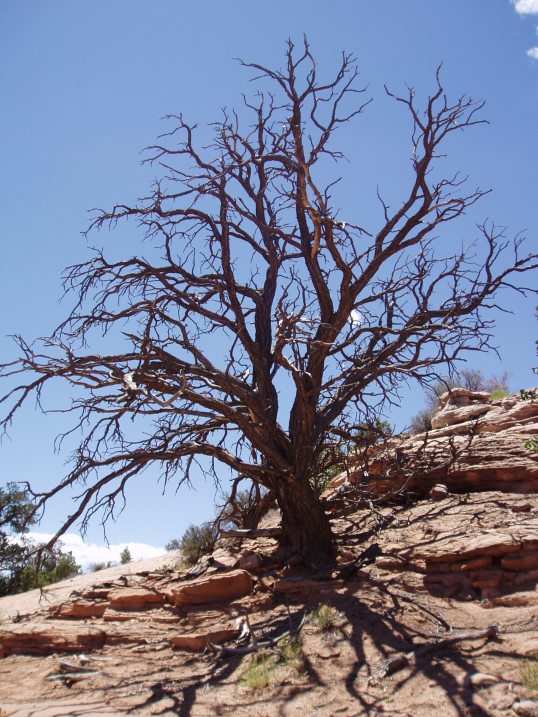
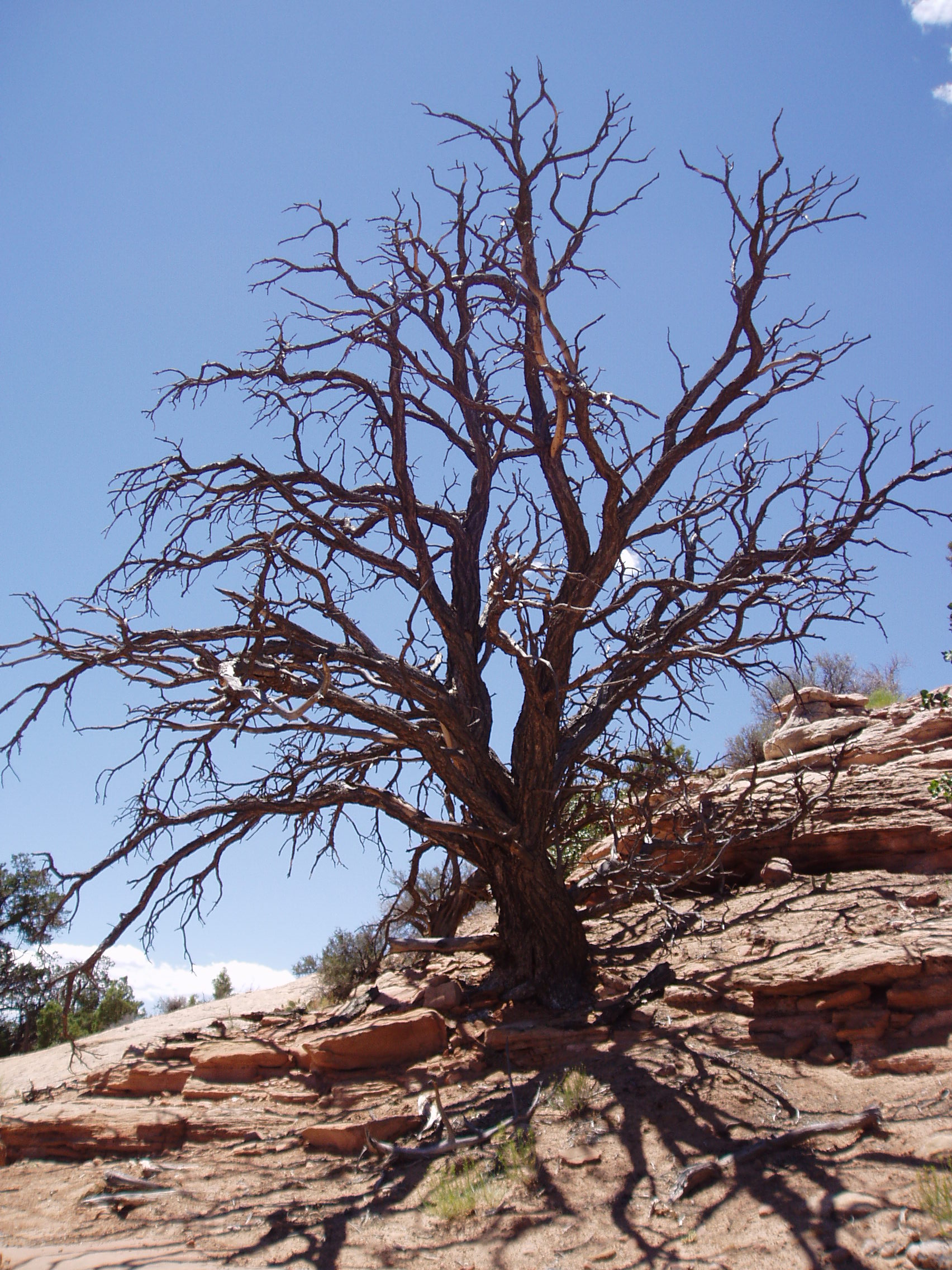
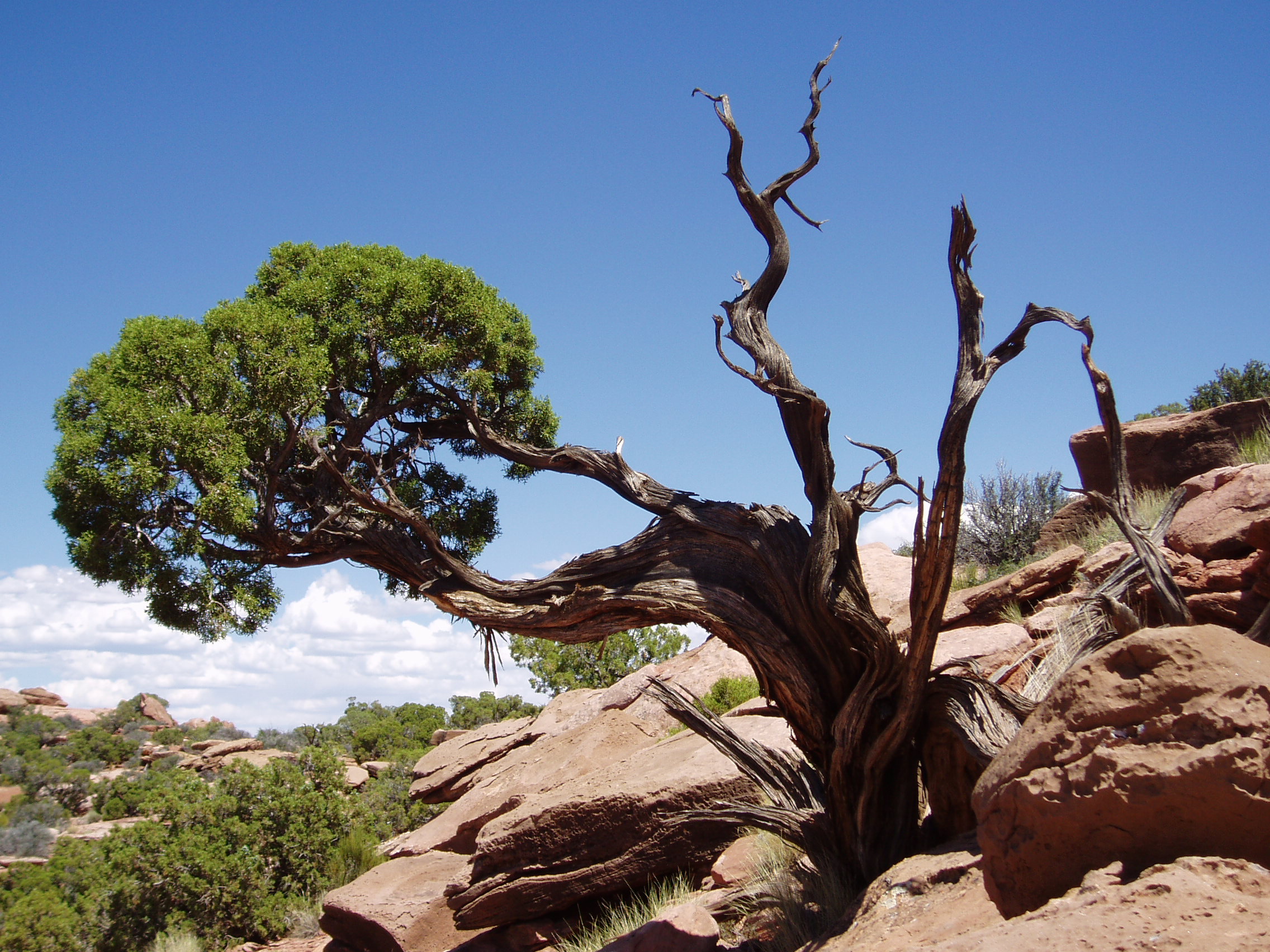
I think I mentioned already that I have a thing for trees against the sky. This one spoke to me, whispered its secrets. Sadly, I’ve forgotten them all. But they were momentous.
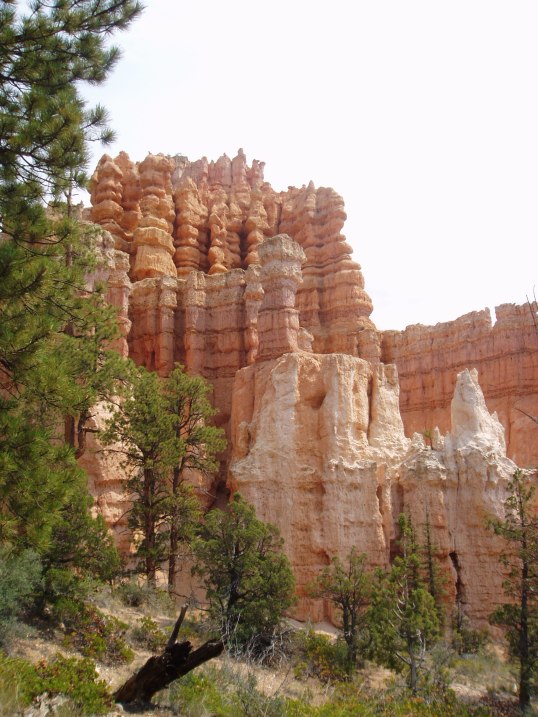
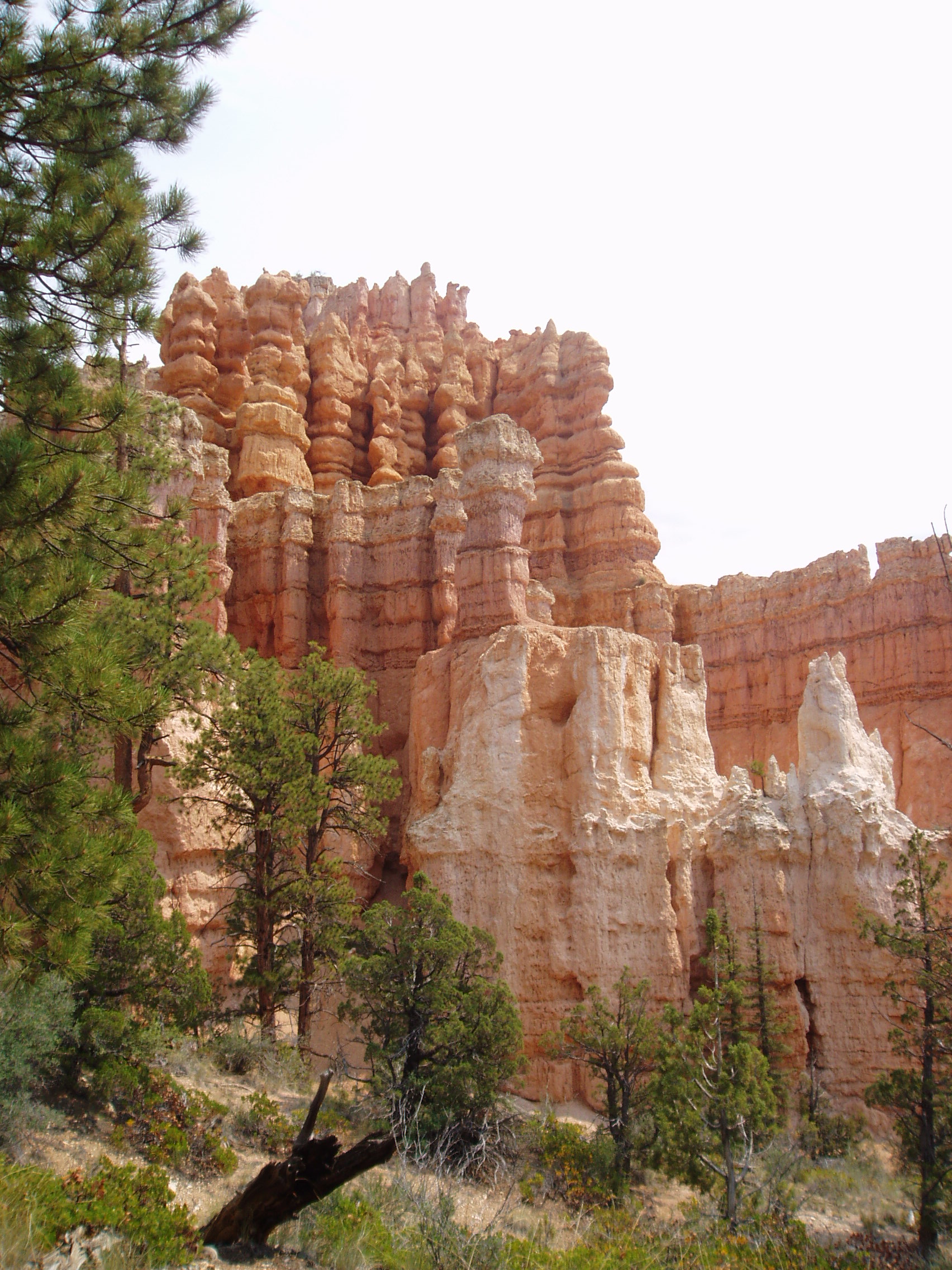
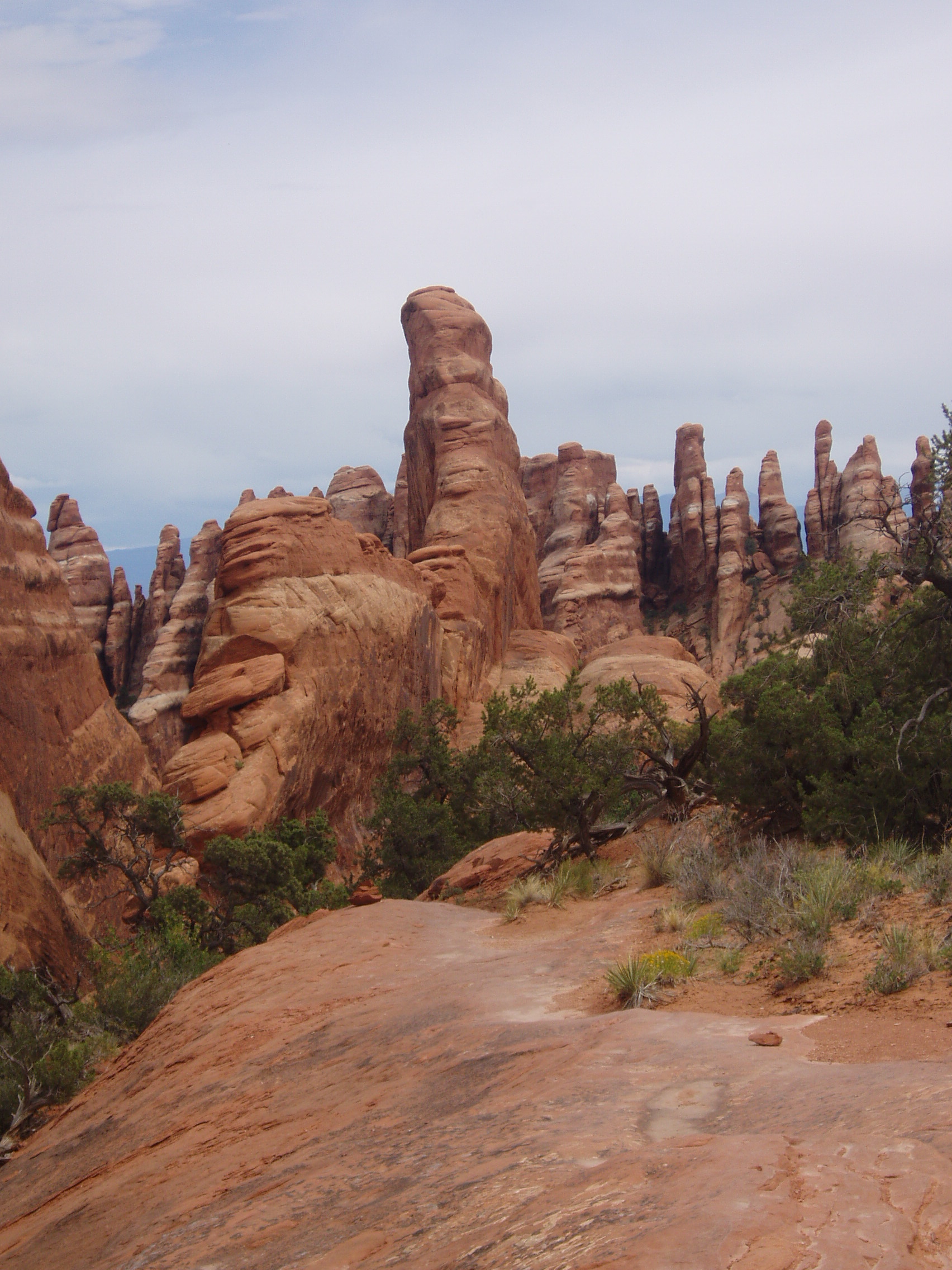
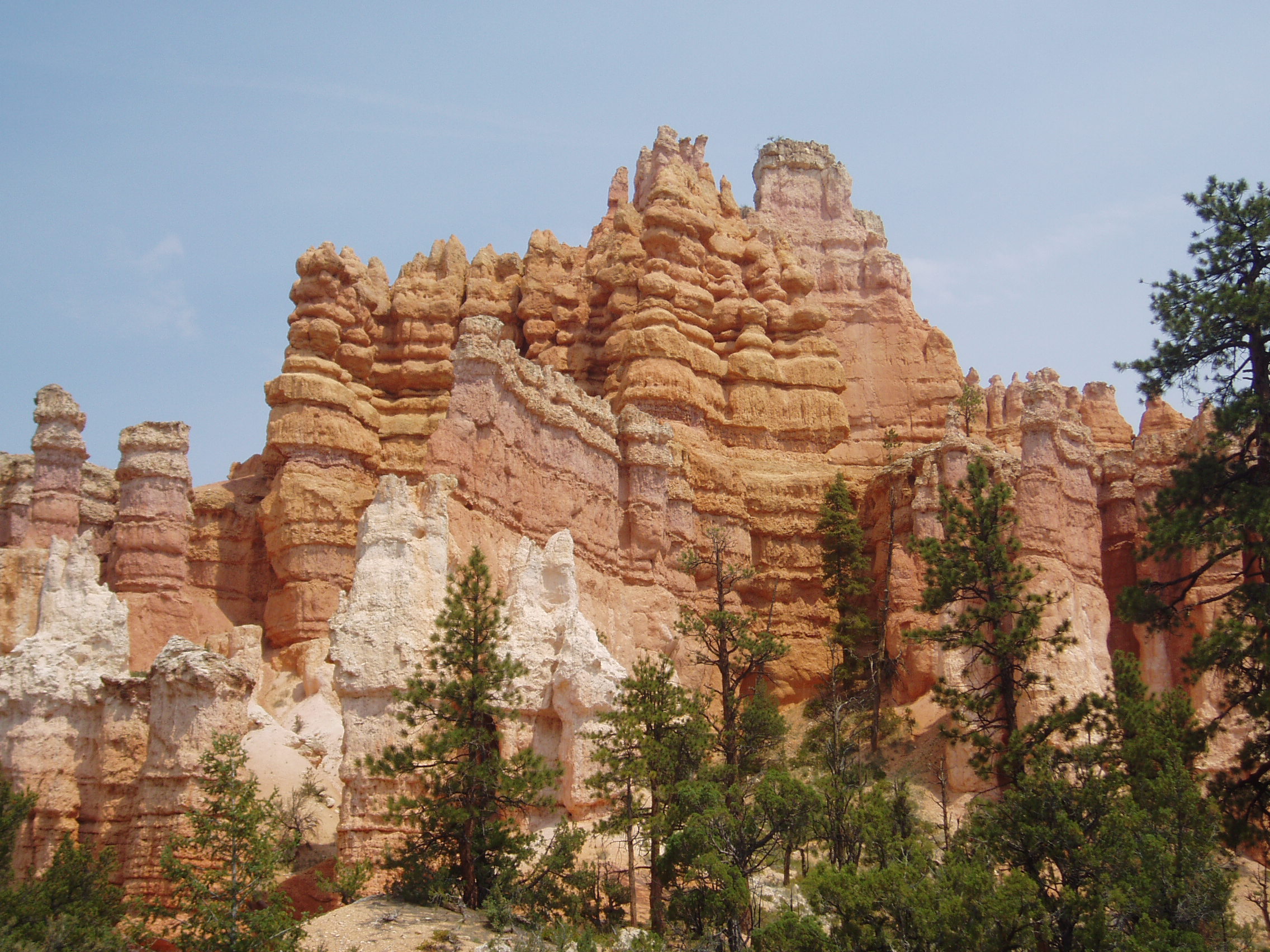
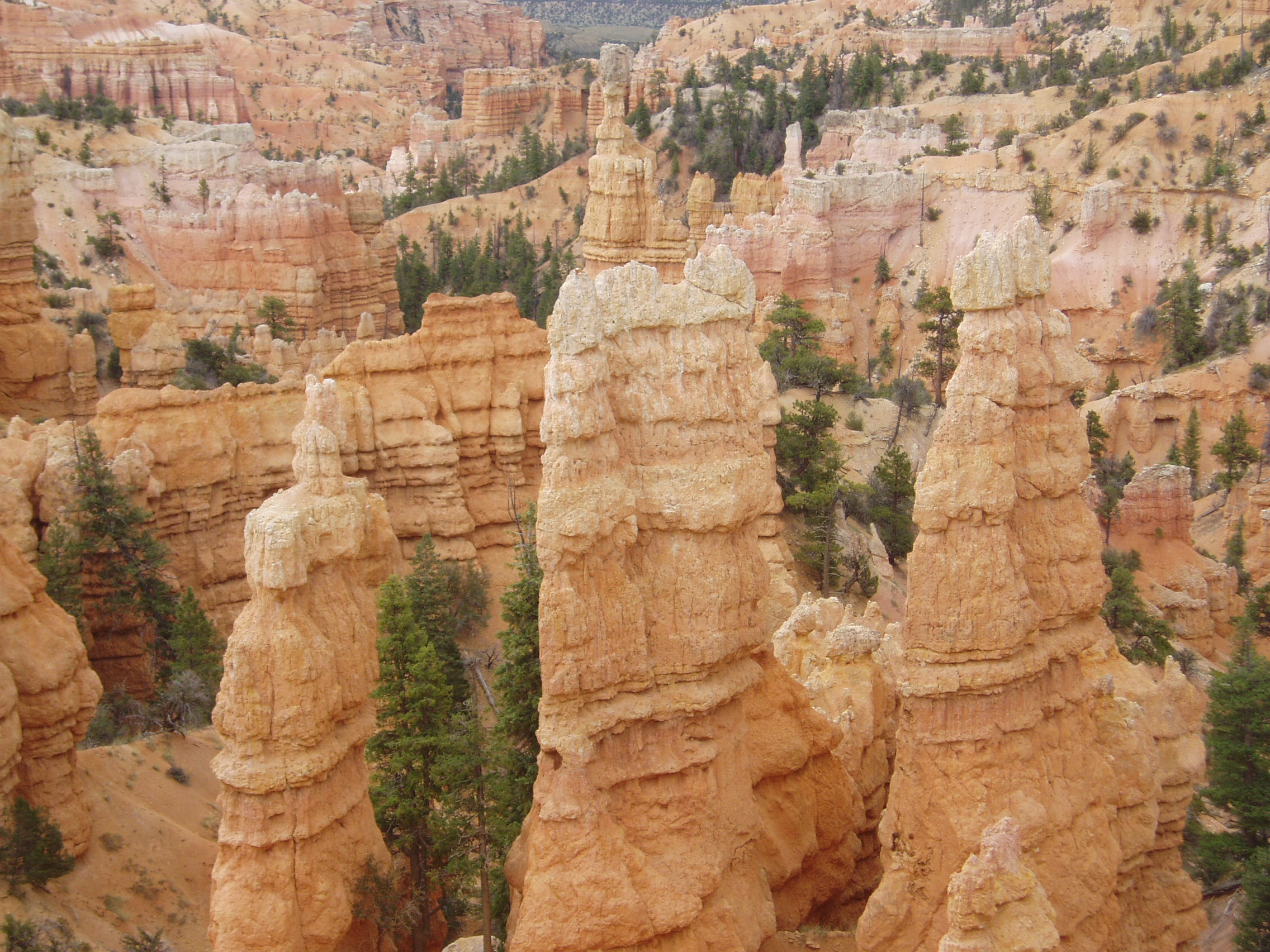
These hoodoos, peeking out from behind the trees, lording it over you. It’s just erosion, at the end of the day. They’re not so special. We’ll all erode in time.
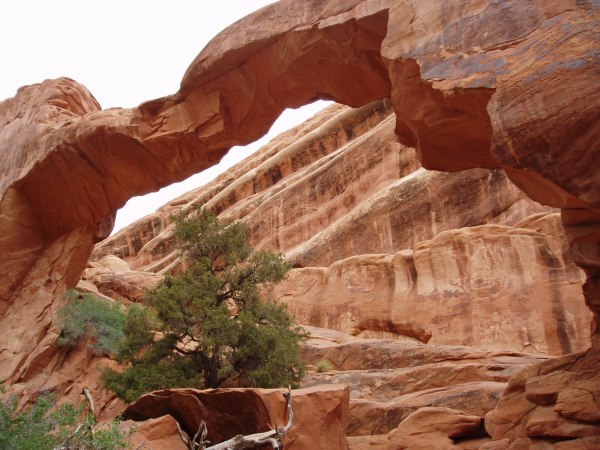
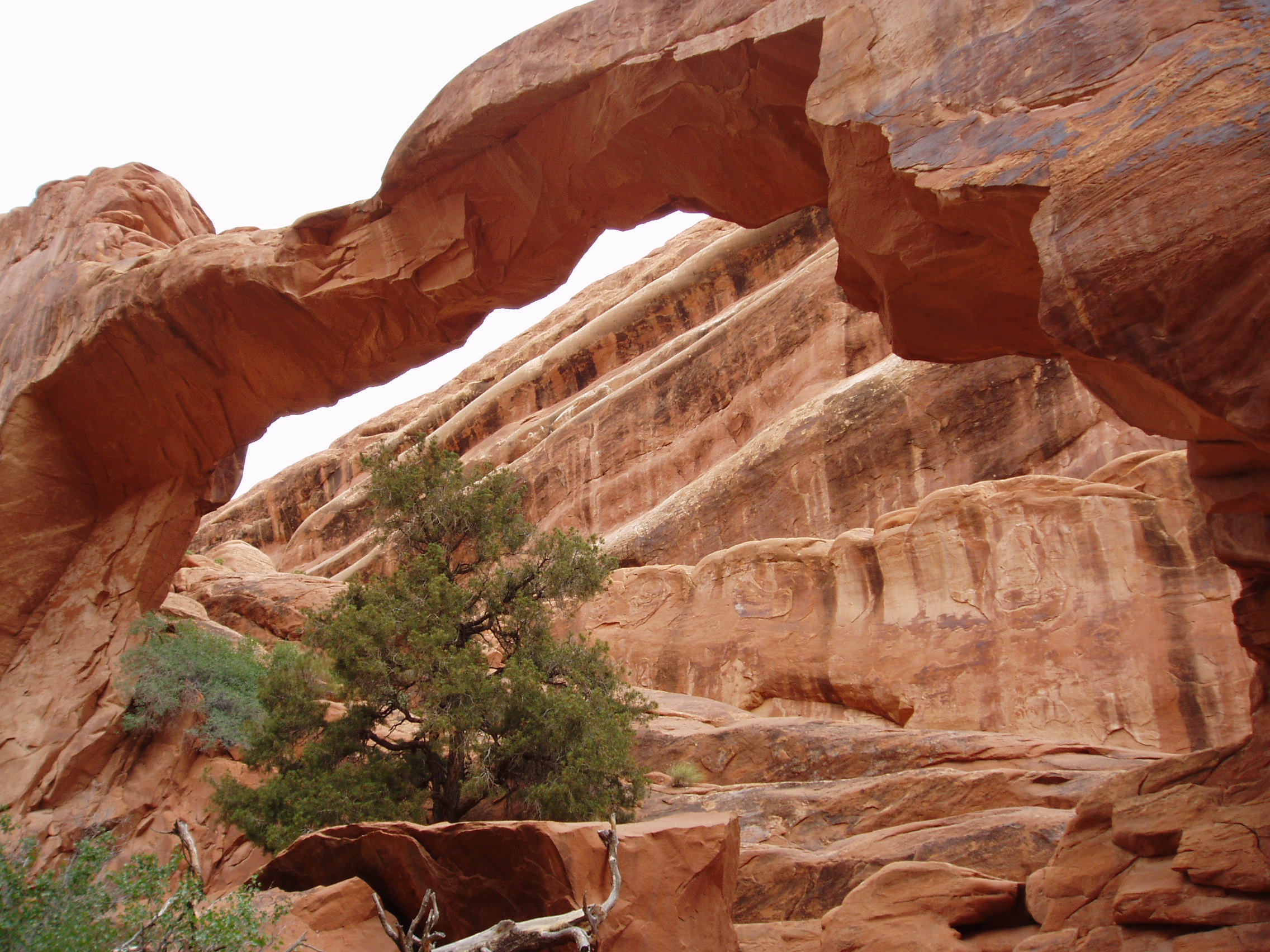
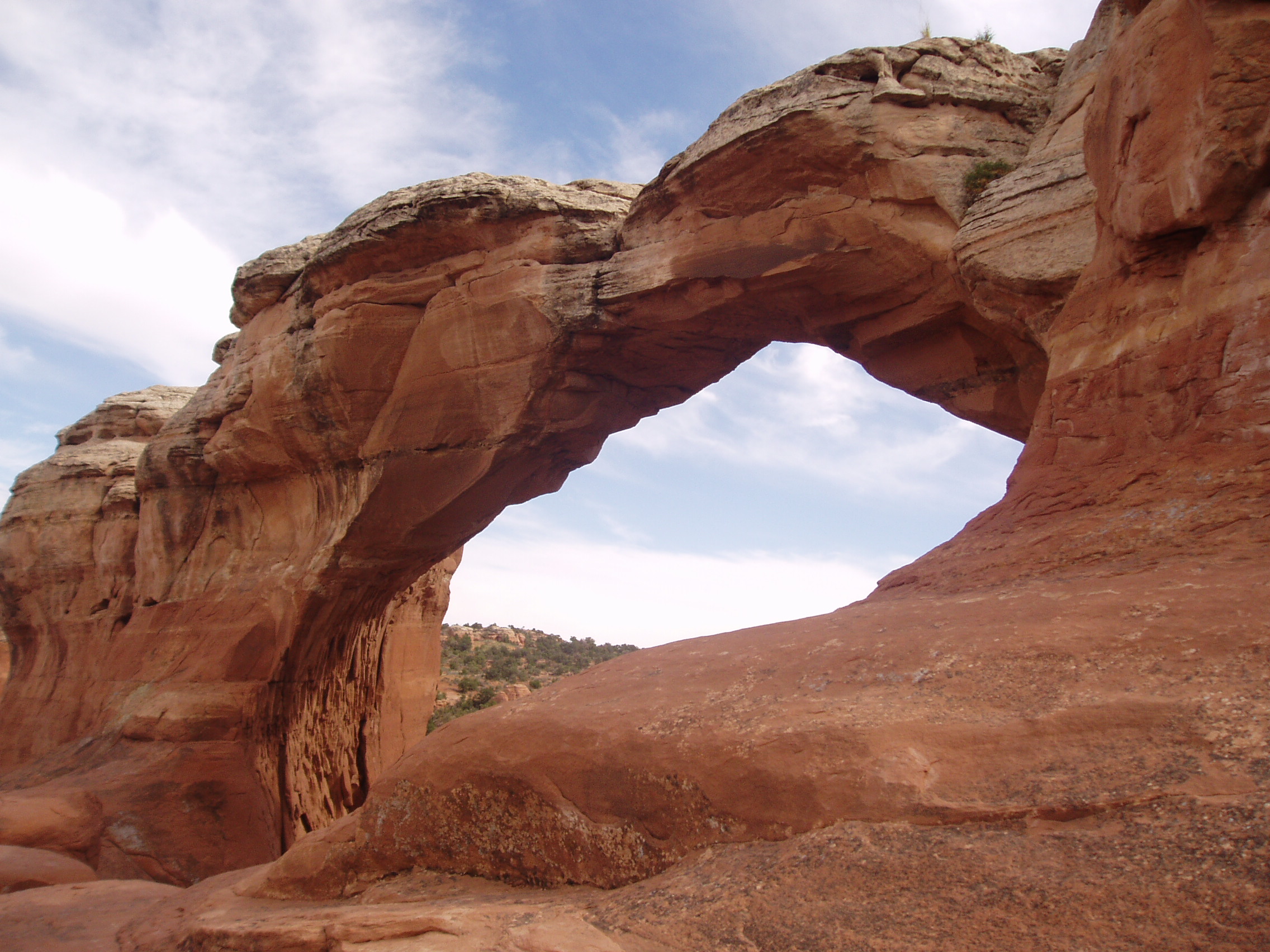
Craggy and broken, unnamed. I can’t remember the name of this arch. It said nothing, but still it impresses.
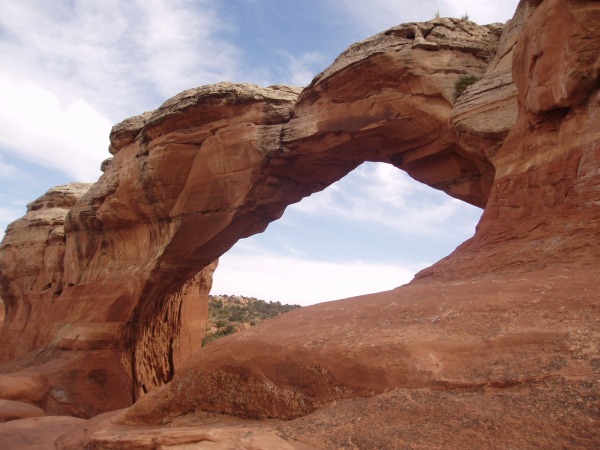
If you were a nearby bird, would you spend all day zipping through these arches? The sky resides there, content to be holed.
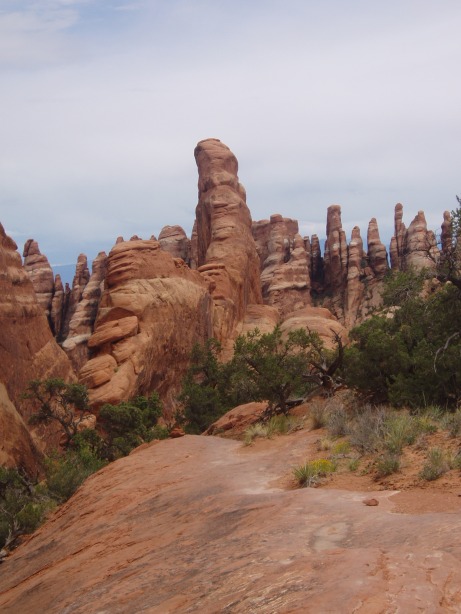
Dr. Seuss or phallus? What does it say that those are the two options that come to mind? And does it say it about me or about Theodore Geisel?
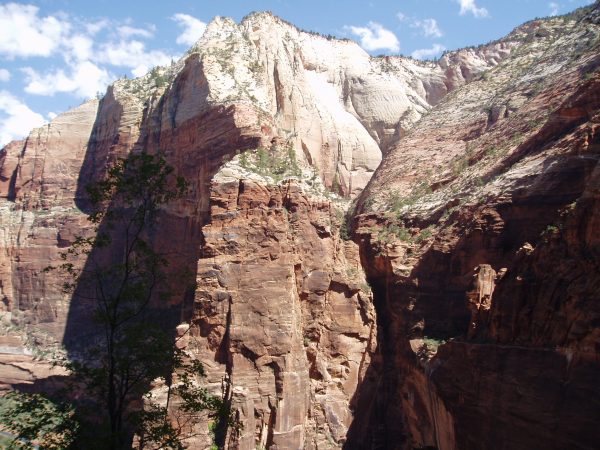
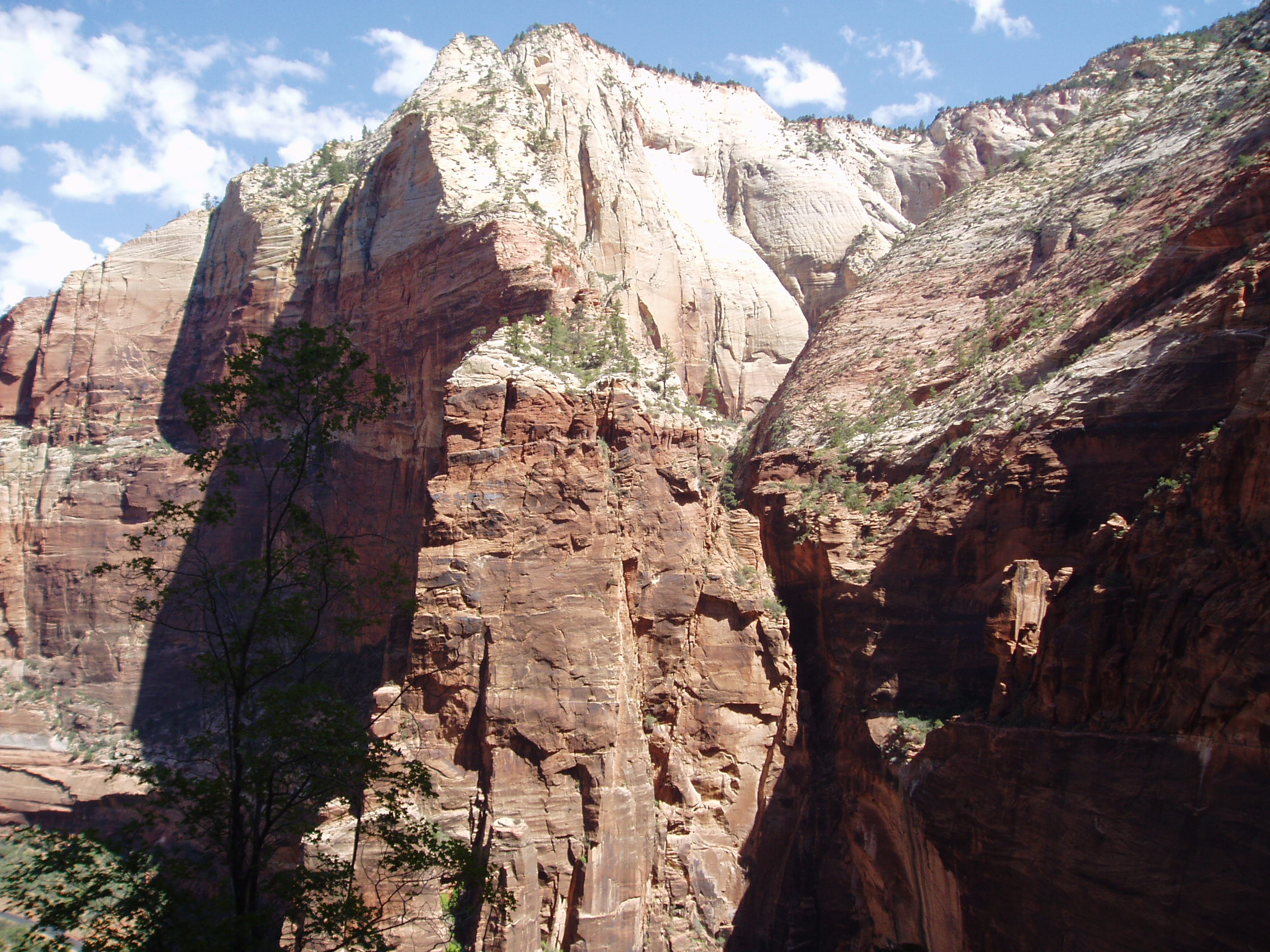
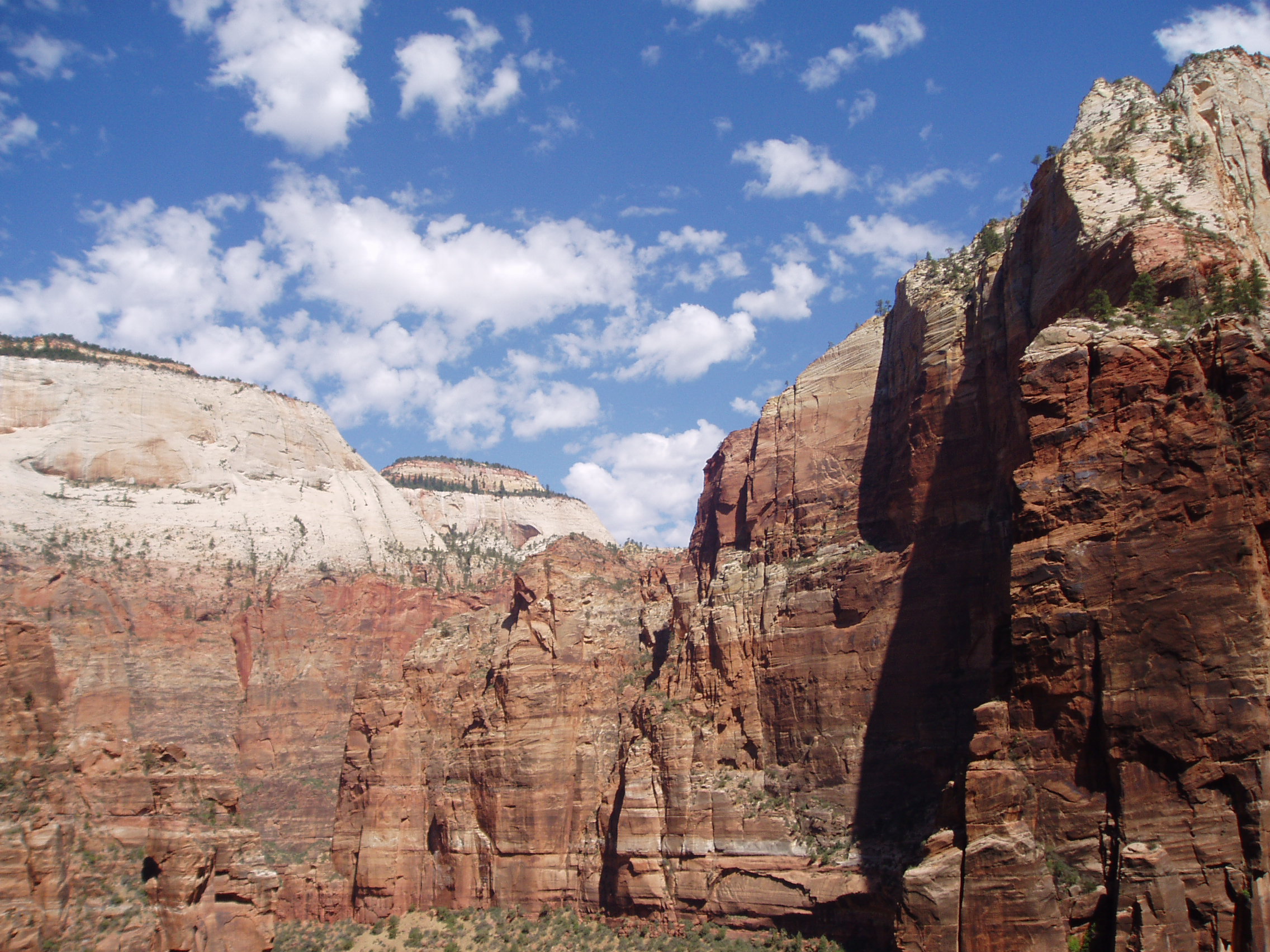
So stark a cliff, in such relief, white and light. This is how the sun will bleach your bones, with barely an evocative warning.
An entry in The Household Economy
Last year, I started on the garden late. Aside from sneaking in a small potato patch in April, I didn’t really get going until late May and early June. I had some decent reasons—the terrible spring weather, the need to break new ground, having to clean years of junk out of the hoop house. (It’s terribly sad to see an abused and mistreated hoop house here on the Oregon coast. They’re so precious!) I waited on a friend’s tractor work. But really, I had some opportunities to get an earlier start and simply didn’t get myself in enough order to take advantage of them. I put it off.
This year, I aim to get an earlier start. Of course, the danger with such a notion is that March can be tricky. A few sunny days arrive, a rush of warm weather, the daffodils bloom out and suddenly you’re thinking that garden abundance is just around the corner. Unfortunately, what’s really around the corner is—more likely than not—a wet, cold, miserable, hail-filled April. To plant in optimism in March is a dangerous game indeed out here. Therefore, I’m attempting to temper my enthusiasm while also getting some good work done and a head start on the planting. I don’t want to fall into frustration, but I have no interest in not really getting going until late May again, either.
It is thus that I found myself in the hoop house on Monday, untying the old and dead tomato plants from their baling-twine trellises, ripping them from the ground and piling them outside. I cleared a multitude of weeds, clumps of grass, and plenty of other dead plants I never cleaned out from the previous season. Black, bare and woody eggplants and peppers and basil, all plucked from the soil and tossed on the pile, ready for composting. Old, brittle, but still-clinging cucumber vines excavated. The beds slowly reemerged as I worked, their outlines and contours ragged, piece meal, shrunk from last summer, the paths having slowly widened with each walk down the rows. They’ll need to be reworked, re-dug, amended before the new round of crops go in. After about four hours of work, I stood back and looked at the results of my work, of those exposed beds ready to be worked up and planted. Thick, green grass still ringed the inside edges of the hoop house, but not in the beds. I can get that out later.
It was a dusty job, the inside dry. Coming home from the job, it took me a while to get the dirt out of my nose, to dig out that blackness. I remembered it from the year before, whenever I would spend a time under the plastic, digging up a bed or weeding, tromping around and puffing the small dust clouds. I put on the sprinkler inside, just to get some extra moisture into the soil before I worked it up. Tomorrow I’ll dig in there more, fluffing and shaping the beds, adding in some amendments, and hopefully will have some beds seeded by the end of the day—salad mix, perhaps, spinach, mustards, maybe some head lettuce. Greens. My body has been craving greens of late. I always eat so heavy in the winter, meat and potatoes and squash, cheese and bread, dairy. I eat that always, granted, but more so in the winter.
— ∞ —
I’m excited for the garden, for another year of growing. Earlier today, I had a piece of toast with blackberry jam, canned last summer. A couple nights ago, polenta topped with a tomato sauce from last year’s garden, tucked away in the freezer. A few days ago, oatmeal for breakfast, with butter and milk, honey, and apple butter that I cooked and canned in October. And last Wednesday, I took a jar of salsa and pickles to share at the Grange potluck. The next day, mixed some salsa with mashed avocados and some minced onion and garlic. Instant guacamole.
Granted, these canned and frozen foods from last year aren’t the bulk of my diet, of my calories, but they’re quite nice to have on hand. At Christmas time, jars went out as gifts, too, and for some birthdays, as well. Still there are roasted tomatoes stuffed in the freezer, canned tomato sauce on the shelf. I almost never buy tomatoes from the store—it just seems an offense to me. The ones in the freezer keep me in sauce, in spaghetti and pizza, marinara for whatever.
I realized after working in the hoop house that I’m playing the long game. I’ve been doing it for years now, at least since 2009. I didn’t always recognize I was playing the long game, but that’s indeed what I’m doing. Each year, I build on my knowledge and skill, I better figure the next steps, I improve on the old and attempt the new. I expand the repertoire. Last year, I started the garden late. This year I’ll start it earlier, soon, get those first seeds in the ground in the next couple days. Greens in the hoop house and peas outside, covered up with a bit of torn row cover that Ginger is going to generously let me have. Just in case of hail, which is almost a certainty. With luck, I’ll have fresh greens and peas this year before I even had the garden started last year. And right now, too, last fall’s kale is coming back, fresh leaves emerging. That’s a remnant, a legacy from last year. The ground is already broken. Weedy and grassy, yes, but the beds are there, even if they’re vague. They’re ready to be worked, far more than they were last year. I just have to get the timing right, to get out there during a stretch of sun and dry, when the soil can be worked without clumping and hardening it. But it’s so much more ready than last year, and so am I.
It builds. Three years ago, I planted a ragged and broken garden, a small bit of nonsense that I did all wrong, discarding the knowledge I had for a misguided ideology and attempted shortcuts. Last year, I grew a real garden, late and also ragged and not as ambitious as I originally planned, sometimes a bit neglected, managed a bit haphazardly but still quite productive. I got veggies out of that. I got broccoli and kale and peas, potatoes and summer squash, winter squash and salad mix and peppers and eggplants, basil and parsley, romanesco and beans and mustard greens, head lettuce. Still out there is the legacy—the husks of winter-killed plants—various brassicas, amaranth from the salad mix that grew giant, dead and spindly bush bean skeletons—two rows of parsnips I have yet to eat, and carrots sweetened by the winter cold and putting out new growth, in need of harvesting before they become woody and bitter, their tops nibbled and chewed by rodents. And still I have potatoes in the ground! What am I doing? Got to get those out, set those aside for eating and use the ones already harvested and sprouting as this year’s seed. At least some of them—don’t need as much seed as I have sprouting potatoes. How nice, though, my own potato seed this year, not from a catalogue.
— ∞ —
These early spring days, warm and sunny, they just make me want to get in the dirt. They make me itchy. I want a couple days of good, hard, tiring work. I want to be dirty, sweaty, to smell of soil and plants, chlorophyll, and to have my fingers turn black with tomato tar—even though that’s still a ways off, the tomatoes. (Acyl sugars, for those who want to get more technical than “tomato tar,” is what turns your hands green when you handle tomato plants.) I want to get out the push-pull and the digging fork, to work the soil, mingle in my blood and sweat, get the heart rate up. I want that sense of life and importance. Of necessary work. I want to get back out that farmer within.
It’s nice, too. This year will be less overwhelming. That’s what I tell myself anyway—maybe I’m being too optimistic. But there’s not so much to do to get started. Don’t have to break the ground. Know somewhat what I’m doing, even if I plan to do some things different this year. I have a raft of mistakes made last year that I get to learn from this year, to try to correct. New mistakes will inevitably arise, but I won’t have to correct those until next year. This year, I just have to weather them. I can do that. I’m not so desperate that they’ll break me. That’s why it’s so good to make those mistakes now, to learn the lessons when there’s luxury, when there’s a cushion. I have flexibility. I have margins for errors.
This year, I’ll be more on the blackberries. Last year, I picked late, during the final and less abundant waves. Still made a lot of blackberry jam and a bit of syrup, but this year I’m going to be better on it. More jam, more syrup, but also soda. Lots of blackberry soda, absolutely. And maybe I’ll freeze fresh ones, have them for the winter. I don’t know if there’s room or not, but I bet I can find some. There are freezers around.
And the apples, too. This year I’ll be better on the apples. Maybe I’ll get to can pears—there are some pear trees where I moved to, and I bet a canning party might be in order later in the summer. Last year I wanted to buy tuna off the boat local out here and can it, but I never did that. This year I plan to. Buy off the boat, prep it and borrow a pressure canner, or maybe join in with Ginger when she’s doing her tuna.
It’s just a slow improvement coupled with the laying in of new habits and practices. It’s a layering, year over year. You do a little more, lay a bit more groundwork each new season, build up a bit more infrastructure, increase your knowledge and better your habits and make it routine, make it normal. It becomes easier. You know what to do. It’s just the long game, end of the day. I’m playing the long game. It started years ago, and it’ll be going years yet. So many yeas. Tomorrow the hoop house, working the beds, amending, seeding, and the peas planted outside, covered with row cloth. Years from now, who knows? Something more, no doubt—layered, heftier, built year by year, the culmination of much of a life.
An entry in Encounters
One of the challenges of attempting a life in the margins is the sense of alienation it can, at times, produce. Granted, a life lived within the confines of society’s dominant ways and thoughts can be alienating as well—even more so, in many ways. Still, the simple fact is that in divorcing oneself of the myth of progress, spurning a great deal of material wealth in efforts toward voluntary poverty, believing that society is in the beginning throes of contraction, and limiting your intake of the newest and shiniest technologies, you tend to alienate yourself to some degree from a good many people. If, like me, this is a somewhat new project for you, then it’s likely that you’ll find yourself navigating tricky ground with at least some of your friends and family as you try to live your life in accordance with your beliefs while not becoming completely inscrutable to those you’ve known for years.
I’ve struggled with these challenges, though I’m blessed in that most of my friends and family seem to have taken my odd behavior in good stride. I suspect some of this is due to a sympathy toward my core beliefs, even if the expression of them skews somewhat radical, while some is due to the fact that I’ve always been at least a bit odd and contrary. Whatever kick I’m on at any given time is typically suffered with good nature, and for that I’m grateful.
What I do miss in my attempt to live a life of less is a partner. While I’ve done some dating over the past four-ish years that I’ve been farming, I find it a bit of a challenge to find people who understand the sort of lifestyle I’m trying to live and are either interested in pursuing a similar lifestyle or who simply are sympathetic to it, even if it’s not exactly their ideal. It’s not that I can’t find people who believe we live unsustainably as a society, but that it’s more of a challenge to find people who are interested in or are already taking the next steps of living with much less. I can’t help but feel that the term “voluntary poverty” is a bit scary to a number of people out there, though perhaps this is as much my own sense of self-consciousness as anything else.
It’s within this context that, just shy of two years ago, I found myself hiking the trail up Neahkahnie Mountain, not long after moving out here to the coast for my third farming apprenticeship. I hiked alone, climbing the mountain for the first time, shouldering a backpack with some water and food in it. It was a spring day and the sun shone, though I hiked mostly in the cool shadow of trees. I kept a steady pace with matching breath.
Hiking is something of a meditation for me. I’ve written about this before, in The Rhythm of Contemplation, but as I fall into a steady pace of hiking and breathing, my mind tends to wander and explore various corners within itself, tracing out paths much as my body follows the forest path, though not with such a singular focus. Sometimes I find myself thinking out some new bit of philosophy or insight, while other times I fall into a contemplation of lingering personal issues or frustrations. Hiking up Neahkahnie that day, my mind took the latter path. I focused in on a complex and somewhat unresolved relationship from a year ago, allowing the frustrations that had arisen from the relationship to pull me toward depression, even mild despair. Wandering through the trees, engrossed within my own mind, I felt an intense alienation and loneliness, wondering if I would ever find a settled place and a partner, good and meaningful work, a life which felt right.
I had only recently moved out to the coast, relocating for the third time in two and a half years. I made these moves in service of broader goals: learning to farm, finding meaningful work and a meaningful life. But that didn’t change the fact that each move proved a challenge, further heightening my sense of alienation and divorce from the social world, and further unsettling my life. I wanted desperately to find a place to stay and familiarize myself with, but that place continued to elude me. I wanted a partner, and she also continued to elude me. In that moment, then, out on the trail and surrounded by intense beauty, by an incredible amount of life, I couldn’t help myself from falling into the confines of my own mind, blocking out the abundant world around me and indulging in a great loneliness. I felt I might never have what I wanted. I questioned my decisions, this life I had chosen to lead.
I stared at the ground, at my feet, placing each of my steps carefully but automatically, avoiding rocks and roots and keeping a firm footing. I could see the ground, but not really—I was in my own head, lost in pity and frustration, in the dark paths that the hike’s physical rhythms had opened up to me. I imagined human touch, physical intimacy, and the longing for it clawed at me. I wanted all these things that I didn’t have at the moment, and I couldn’t see all I did have.
At that moment I looked up and ahead, along the shadowed trail beset on each side by high-reaching Douglas Firs and Western Red Cedars. One of those firs towered on my right, moving in close as I continued to walk along the path, its trunk deep and wide and covered in vibrant green moss. I didn’t think about it, made no conscious decision; I simply reached for the tree. In that moment of intense sadness, I turned and reached and hugged the trunk of that tree, pressing against the rough bark and soft moss, and I felt relief flood me. The tree comforted me as well as any human could have and for a startling moment, it was as real and alive to me as any friend would be. It mattered not that the tree was of a different composition than flesh and bone, a different species, in many ways an alien being.
Trees are alive, of course. They have power and spirit. They are creatures of this world, the same as humans are, the same as any animal. And yet, despite my love of them and despite my joy in their presence, I don’t tend to gain a comfort from them the way I do a friend, or a family member, or a lover. I know there are some people out there who feel that intense a connection to trees on a regular basis, but I’m not one of those people. Sometimes I’ll stop to touch a tree, to feel its bark, to rest or lean against it and I’ve even been known, once or twice, to speak to a tree, though I’ve never heard a response. Hell, I’ve hugged trees more than a few times in my life. But never when I felt the way I did that day, in that dark moment, in desperate need of comfort from another creature. I sought that tree out, not even thinking, and I felt as connected to it as I would anyone. Even as it happened, it shocked me.
I stayed against the tree for a few moments, shifting my head to place my forehead against the cool and damp moss, taking deep breaths, self-conscious enough to glance down the trail to see if anyone else was coming into view, able to see me in my arborous embrace. Thankfully, no one appeared. I was left alone with the tree and its comfort.
After a few minutes, I stepped back, placed my hand against its trunk, thanked the tree. I felt infinitely better. I did not feel nearly so alone, nearly so destitute. My loneliness and self-pity dissipated and the incredible community around me came into focus, reminding me that I wasn’t alone, even if it at times felt that way. I continued my hike, buoyed and thankful. Blessed. I stayed alert and aware of the life around me, even as I continued to think and meditate, to allocate a portion of my attention to the inside of my mind.
Since that day, I’ve stayed here on the Oregon coast. I’ve moved a few times, but each time only down the road, not to some other town or region. I’ve been building a life, integrating into the community, meeting people and making friends, establishing myself. I don’t know that I’ll stay here—it’s very possible, but not assured. I have yet to find a partner. I still find myself lonely at times, and I even occasionally question my decisions, wonder if I’m on the right path. But almost every day I’m surrounded by other life, some of it human and much of it not. That’s always a blessing. It’s always a comfort. It’s always a confirmation that I’m on the right path, wherever it may be leading. Yes, there are still human relationships I yearn for and that I hope to eventually cultivate. But they’re not the only source of comfort and connection. They’re just one amongst many.
I don’t know that I’ll ever feel such a striking and intense connection to a tree again. But I love knowing that it’s possible—that in dark moments, a greater number of species than I might otherwise have imagined can provide me deep and true comfort. I love that sense of connection, of being intertwined, of transcending unnecessary and imposed boundaries. Flesh and bone, bark and pith—it’s all the structure of life, all from the same source. It’s all connected. It just sometimes takes a dark moment to realize it.
It happens often. A large job waits for me, and for a moment it seems almost impossible. Or, if not impossible, at least quite daunting and far more than I want to tackle. It might be planning and planting the garden, or clearing a fence line overgrown with blackberry, or simply completing some new task I’m unfamiliar with. In that moment, the doubts creep in. It feels like too much. It feels too hard. It’s overwhelming. I’m not of the personality that tends to thrive on these challenges; faced with such tasks, I often want to go sit on a sunny patio with a good beer or curl up inside with a good book. I am a creature of comfort. I can’t deny this.
Sometimes I do this. I ignore the job in front of me, the unwanted but necessary work. When I do this, I’m almost always poorer for it. The temporary comfort of ignoring the necessity gives way eventually to the consequences of an important job undone. Turning your back on reality does not make it go away. It only adds to the ferocity of its eventual return.
How many ways this is applicable. I have two jobs—not at all hard—that I’ve been avoiding today. One is the writing of a post for this blog. The other is going over to my previous place of residence and dealing with the piles of recyclables that I need to sort and take to the local recycling center. Neither of these tasks has yet to be completed. Outside, it has been raining throughout the day, often heavy. And so I’ve found myself inside, drinking coffee, reading a report on the shale bubble, reading a post on The Automatic Earth about building out renewables, conversing with my roommates, avoiding the nagging reminder in the back of my mind that there are jobs to be done. This is not a good response to my reality, to my present, to my future. It’s a small failure—not helpful, but not disastrous, either.
Yet there’s no reason not to tackle the jobs. The blog post can be written—it’s just that no idea is grabbing me by the throat, demanding my attention. I have plenty of ideas, though, that have been waiting for months to be written. Nothing is stopping me but my own small avoidance. And the recycling, as well, is not such a big deal, but it does need to be done. Others are waiting for me to complete this task. It’s another small failure, this time at a community level. It doesn’t help.
— ∞ —
Last night, John Michael Greer argued that the shale bubble is on the verge of popping, and that it could mean another round of harsh economic realities for us in the near future. He wrote of a bubble-and-bust economic trend to be carried out over the foreseeable future and all the complications of dealing with our current and future circumstances that will entail. We face a troubled present, and more troubled future, consisting of constricting energy resources, a dysfunctional economy, and the hard realities of contraction. There are a number of responses we could take—none of which would solve the problem, granted, but could help soften the predicament—but due to our inability, as a culture and society, to face up to the truth of what’s taking place, we will not be able to marshal the action and resources to carry out those responses. As such, our likely response as a society to the future is one in which we “evolve through crisis, not through proactive change,” as Dennis Meadows noted in an interview in Der Spiegel. We are not planning a sane response to our future; we can’t even agree on the foundations of a sane response. Counting on centralized action at this point would be disastrous.
Luckily, we’re not at the mercy of centralized action. Every one of us holds the ability to change our lives. This ability is not complete or unencumbered, granted, but we can challenge societal norms, opt out from excess modes of living, and begin the hard and necessary work of scaling back our lives to a level more appropriate for a contracting economy and deindustrializing world. We can engage the household economy. We can learn to garden, to raise and care for livestock, to cook from scratch. We can take up coppicing, experiment with biochar, build rocket stoves, teach ourselves the ecological principles that more and more will assert themselves in the day-to-day reality of our lives. We can expose ourselves to the outside climate, scale back our need for climate control, learn to live with heat and cold in ways that don’t involve a thermostat and piped in fuel. We can remember what it is to be human, to live in communities, to build democracies, and we can get down to the hard work of implementing again those realities and complex human interactions. We can insulate our homes, put on sweaters, sit in the shade of a tree on a hot summer day. We can bike to work, walk to the store, take the train rather than the plane, ride the bus, either across town or across the state, or just stay home. We can begin to cut out our wasteful habits and tendencies—unnecessary entertainments and distractions, that cable bill, that Netflix account, high speed internet, video games, Blu-Rays. We can turn off the television. We can replace vacuous pop culture with meaningful work, useful hobbies, sustaining activities. We can, in other words, get out of the game.
That’s a small list of the things we can do, today or tomorrow or early next week—but soon, damn it. It’s not time to just think about these changes, philosophize about them, talk in abstract ways about them. It’s time to do them. Every day is important. Every day puts us closer to the next crisis and a form of evolution that is chaotic and messy and painful. Every day spent changing our lives in response to the crisis before it happens is another step toward a more humane response to the challenges of the future, hopefully a bit less chaotic and messy and painful. And every action we take to help soften our own personal blow, we put ourselves in a better position to help our community—which in a lovely feedback loop, may very well help to further soften the personal blow of the hard times here now, and the worse ones coming.
— ∞ —
But this means work. It’s inevitable. It’s unavoidable, no matter how good we are at avoiding it. Thinking about the popping of the shale gas bubble, perhaps another recession like in 2008, or perhaps something worse, can be frightening and paralyzing. It seems so big—it is big. It’s challenging. It’s overwhelming. And the more dependent we are on the overarching system, the more vulnerable we are, the more challenging and hopeless it might seem. But allowing ourselves to be overwhelmed by that challenge, that sense of hopelessness, that fear—it’s pointless. It doesn’t help us. Avoiding it does not eliminate the predicament. Busying ourselves with other, unproductive tasks does not better our future.
It’s a cliche, but it’s the getting to work that usually is the hardest. It’s that initial engagement that can so easily stop us. But once we begin the process, it can snowball from there. Not always, of course—sometimes there are challenges, missteps, moments of depression and despair that temporarily halt our progress. But again, we have to press forward and continue on, to not allow ourselves to lose out to that sense of impossibility.
The antidote to fear is good work. Never forget that. It’s one of the most important truths we have right now.
— ∞ —
When you get into the thick of the work, when it begins to click, the world starts to fall into place. Everything hums. It’s exhilarating. The progress begins to build upon itself, each step forward suddenly seeming a bit longer and a bit more sure, a bit more emphatic. The final accomplishment begins to come into view, and in view of that accomplishment, many more seem possible. This is another positive feedback loop, and it’s one of the most important ones for the troubled times ahead.
Today I can grow a garden, raise livestock, make bread and butter and yogurt and homemade sodas, cook from scratch, suffer the cold, weather the heat, and thrive on physical work. Not too many years ago, I either couldn’t or cared not to do all those things. But those skills and that knowledge did not come at once. It was a long procession—a procession that continues to this day. It was filled with leaps forward and fallings back. It was filled with triumph, with exhilaration, and with uncountable moments in which it all felt impossible, in which I questioned every decision I had made. It involved depression and doubt. And it involved resolve and certainty.
But all my successes ultimately came about through work. It came about through engagement, through tentative first steps, through a process of discovery. And all of it involved initial doubts and fears, often times overwhelming. As I said, I am a creature of comfort. Some people thrive off new challenges and the opportunity to master unknown skills. I don’t, at least not instinctively. That’s not my psychology. I hate to appear incompetent. I hate to admit I don’t know what I’m doing. I like comfort and routine and ease. But despite all these traits, I’ve managed to dramatically change my life and learn an array of new skills over the preceding five years—and every year, I learn a vast amount more. Granted, there’s still a vast amount I don’t know—I’m still incredibly ignorant about so much—but I’m in a far more resilient place than I was just a few years ago.
I worry about what might happen with the shale gas bubble, or with some other sort of dramatic economic trouble. I suspect another shock to the system is coming soon, perhaps later this year or next. It seems a bit too quiet and our economic foundation is far too rickety and rotten. My worry, though, is more about my family and friends, and my community, than myself. I think I’m a bit insulated. I know I can live on a small amount of money—relatively speaking—and could cut back even more if necessary. I suspect my work is mostly safe from economic shocks, at least up to a point. (I could be wrong about that, of course. The economy is a tricky, complex, interrelated system.) I have skills. I have potential fall back plans. Nothing is guaranteed, but I don’t expect the next economic shocks to wipe me out.
That small sense of security is, again, the result of the work I’ve done over recent years. It’s a result not of centralized action, but of personal action. It’s a result of the ways in which I’ve changed my life, changed my expectations, built my skills, built my resiliency, and engaged my community. It’s about me getting down to the business of saving my own ass—with an irreplaceable number of assists from my local community, of course!—and accepting the trade offs that that entails. I don’t mean this to sound self-congratulatory; my sense of security could be a complete illusion, or the next troubles could be far worse than I expect. I only mean to advocate for a course of action that I suspect could benefit every person who reads this.
— ∞ —
The future is one of crises. I write that with complete confidence. Our ways of living, in the developed world, are brittle at best. They are temporary. They are perched upon the ricketiest of foundations, and they are going to come down bit by bit, in a slow overall crumble punctuated by the occasional dramatic collapse.
But our lives are not entirely at the mercy of the broader societal crises that are an inevitable piece of our future. We can take action now to insulate ourselves a bit against those crises. We can choose to evolve proactively at the individual and community level. In doing so, we can make the future a tiny bit better. We can have our own small impact.
It’s not a panacea. It’s not a grand fix. It’s just our small piece, our little bit of action. It’s those first steps in the face of an intractable and overwhelming predicament. But it’s necessary, because there’s nothing else to do, unless we’re content to lay down and die. We could turn our back on the future and pretend its challenges aren’t real, but that would be a terrible mistake. It already promises a great enough ferocity; let us please not make it worse. Begin the work today. Start tackling those problems. If you haven’t taken the first steps, take them today. If you have, but you’ve faltered, get back to work. And if you’re cruising right along, continue that hard and necessary process.
I expect no centralized solutions. But every day, even in the midst of the crises, the individual solutions and responses are there for the taking, in every person’s own life. That’s the hope. That’s the antidote.
Take it.
I’ve been reading Edward Abbey’s Desert Solitaire of late. It really is a fantastic book—my first experience with Abbey, who has long been on the intended reading list. It also is making me miss the Utah and Arizona desert landscapes. I have a soft spot for them in my heart, harkening back to the year I spent living in Arizona, from the summer of 1996 to 1997. I fell in love then and continue to love it today.
I thought I would be visiting Arizona again this year, at the beginning of April, but that plan has fallen through. Partly this is good, for a private reason, but it also partly is a shame, as my reading of Desert Solitaire has left me with a strong desire to see the desert again, even if it was to be a different part than the one Abbey is writing about.
I am a blessed person, though, and I have seen the areas that Abbey writes of, though certainly not as he saw them. Back in 2004, I took a long road trip through multiple National Parks, with the bulk of that trip spent in southern Utah, at Arches, Canyonlands, Bryce Canyon and Zion. Abbey has evoked memories of that trip multiple times.
In lieu of a visit to the desert—and in need of an update to this blog while I mull a lengthier post to be published, hopefully, by Monday—I place here for your enjoyment a few pictures from the Utah portion of that trip. These pictures don’t begin to do the landscape as much justice as Abbey’s words do, but they evoke my time actually there, within this landscape, amongst these rocks and cliffs and trees, and so they’ll work for now as a small echo of reality.
This is part one. Part two will come later.

The cliffs in Zion really are quite spectacular. I love the clouds in the sky that day, as well.
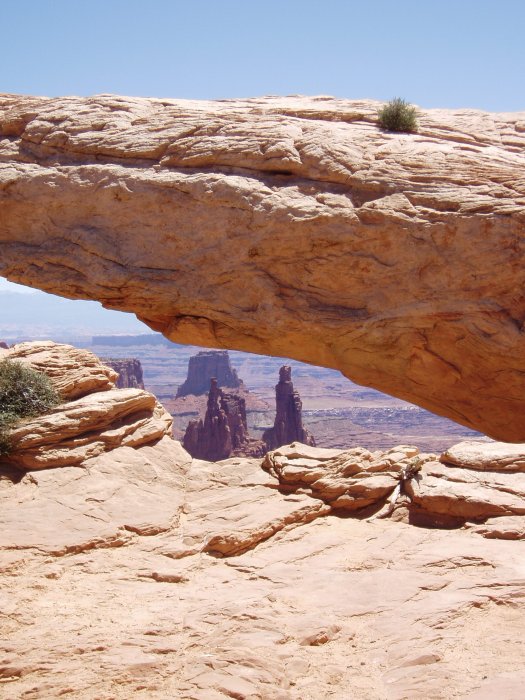
Mesa Arch in Canyonlands, the landscape stretched forever behind it.
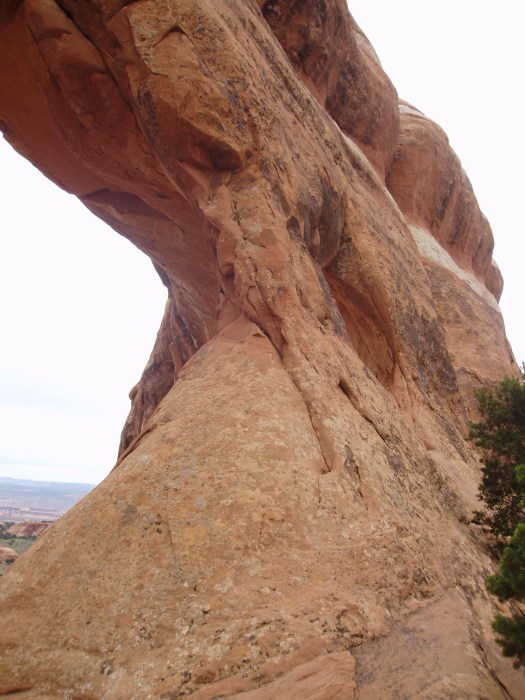
A side shot of Navajo Arch. I find the erosion pattern reminiscent of musculature.

Some of the hoodoos in Bryce Canyon, looming against the sky. I love erosion.
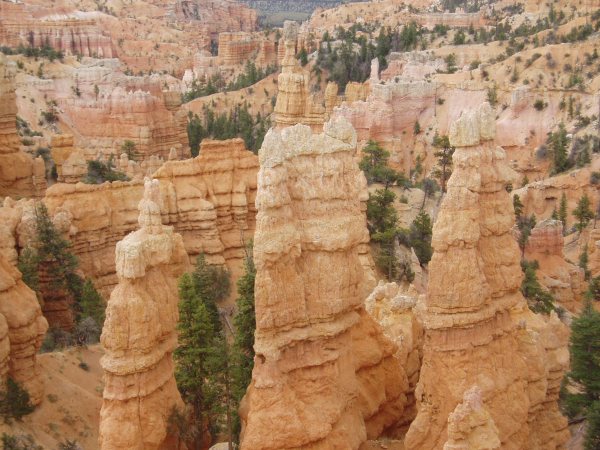
Yet more hoodoos, extending off into the distance.

I just love this tree against the sky. I have a thing for cool trees framed against the sky.
An entry in How To Be Poor
In the previous entry in this series, The Reductionist Trap, I wrote about a possible diet I could eat that would seem to be sustainable and practical, given my circumstances and the broader world at large. As I noted in that post, I believe such a diet could be resilient, both in the world as it is today and, quite possibly, in the world as I expect it to exist over the coming years—that is, with reduced available energy and resources and lower purchasing power for most involved. In today’s post, I want to speak in greater depth about resiliency, raise the issue of margins, and make an argument for how these concepts can help guide how we structure our lives for a future sporting greater material poverty.
Resiliency is defined as “an ability to recover from or adjust easily to misfortune or change” and John Michael Greer— in a post about resiliency that I’ve referenced before, in this blog’s longest, but by no means best, entry—defines it as “the opposite of efficiency.” He goes on to write that, “What makes a system resilient is the presence of unused resources, and these are inefficient by definition. A bridge is resilient, for example, if it contains a good deal more steel and concrete than is actually needed to support its normal maximum load; that way, when some outside factor such as a hurricane puts unexpected stresses on the bridge, the previously unnecessary structural strength of all that extra steel and concrete comes into play, and keeps the bridge from falling down.”
If I’m correct in the belief that the future is going to sport a good deal less energy and resources—a good deal less wealth for most all of us, in other words—than resiliency is exactly what we need. That future is going to be rife with misfortune and change, a series of shocks to the industrial system, and an altered landscape—figuratively and literally—on which we’ll have to make our livings. Jobs will be lost, incomes will drop, food will become more expensive and scarce. Blackouts are more common, and that trend will continue as power companies cannibalize their existing infrastructure. I wouldn’t be surprised if rural areas started deelectrifying within the next half century. Road systems will degrade, bridges will collapse or be shut down due to safety concerns, and driving will become less viable in a wide variety of ways. America is in the early stages of decline and faces a rough future in which the general state is one of contraction—thus, the list of these changes could go on and on. Suffice it to say, though, the future is going to be much more rough than the recent past.
To imagine this future in simpler terms, let’s consider a piece of lined notebook paper, 8.5 x 11 inches. But let’s change it a bit from a standard piece of notebook paper. This one has two inch margins on either side, leaving just four and a half inches of writing area in the middle. Not much room in the core, right? In fact, barely more than in the margins. The core of this paper is industrial society as we expect it to function, complete with high technology and massive energy usage, the waste of natural resources, and the assumption of perpetual growth. Draw a line straight down the middle, top of the paper to bottom, straight as an arrow. That might be something like the Wal-Mart ordering system and supply chain—one of the more efficient structures in today’s industrial society, within the confines of how we define efficiency. There’s little waste in the sense that products are ordered just in time, from centralized factories, arriving via centralized transport systems, all maximized as much as possible within a computerized system. There are wastes, granted, but they’re wastes that we by and large ignore within the context of our industrial assumptions and economic organization.
There’s little resiliency to this system. A disruption in the transportation, or in the ability of the factories to function, or in the supply chains that feed the factories, or in the computer system that does the ordering, or in any other number of the system’s numerous points of functioning could lead to empty shelves and lost profit. But so long as everything functions according to plan, the shelves stay full and the profits stay high. On our hypothetical piece of paper, a straight line unimpeded is the supply chain functioning properly, and the line ends in massive profits. But this line can only follow one way to that destination, and it’s straight as an arrow. Put anything in its way—any disruption to the system, in other words—and it stops. It can’t go around. It has no ability to bend, to curve, to find a different way. It only knows the one.
Now, any number of systems reliant on the functioning of the industrial economy can be drawn within the core of this piece of paper. Some must stay straight and will stop if they hit any blockade. Others are more resilient and thus can veer around a bit. They’re capable of twisting and turning and finding new ways. But even these are bound by the margins. Those are lines they simply cannot cross, and so they’re left with four and a half inches of wiggle room, and a couple of wide and wild, two inch stretches on either side that can’t be entered without the system falling to pieces. That’s because these margins don’t function under the rules of industrial society. Fossil fuels are lacking or nonexistent in these margins, there’s no perpetual growth, waste doesn’t exist and energy usage per capita is low. High technology functions poorly or is absent altogether. Sun and air and water flow through these margins, but not reserved masses of millions of years of condensed carbon. Labor is provided by humans and animals rather than machines. Food is provided by soil rather than oil and natural gas. The margins do not function as the core does.
Consider, still further, that the margins are widening a bit each year. Accordingly, the core is shrinking—and, accordingly, the available paths for systems and processes dependent on industrial society is shrinking. Every year the margins grow closer, offering a place to live but under the condition of adapting to new rules, new ways of living, new forms of personal and social organization. Within time, these margins are going to squeeze out the core and leave all those people, communities, economies, businesses, machines, and so on that depend absolutely on a functioning industrial society with no place to live. At that point, they’ll be forced to either survive in the margins or perish.
If we’re to face the future in a coherent and resilient manner, we’re going to have to broaden the ways in which we can function in this world. We’re going to have to learn to live in the margins. That may not mean living entirely in the margins today or tomorrow, but we have to take our first tentative steps into them and begin the long and challenging process of learning the new ways of living that they require. We’re going to have to veer into them at times, familiarize ourselves with the marginal world, and continually increase our comfort there. If we don’t do that, we’re going to be in a heap of trouble as the core continues to shrink and crowds more and more of us out of an industrial economy based on perpetual growth and increased consumption, and into a contracting economy that demands a dramatic scaling back of our lives.
To engage these margins, we’ll need to change our behavior. But to do that, we need first to change our ways of thinking. Many of us have been taught to live in a world of growth, a world of industrialism, a world of massive available resources and energy. Trying to live differently without first changing the way we think is only going to serve to compound an already challenging situation. This is why, in the previous post, I wrote about the need to move away from the sort of reductionist thinking that is employed and common in the industrial world—the core of the paper—and toward a systems thinking that is rooted in the natural functions of ecosystems. The margins, after all, are wild. They’re rooted not in machine control and the brute force application of massive amounts of energy, but in the elegant and complex functioning of ecosystems. To make our way in them, we’re going to have to learn to think as the margins function, thus providing us the tools to tease out the full implications of our actions—to see the rippling effects of the way we live and to understand what underlying systems support or don’t support those ways of living.
As an example, let’s consider a wood stove. One has existed in each of the three places I’ve lived out here on the Oregon coast. It was the source of heat in the yurt I lived in when I first came here in 2011, an option in the old farm house I lived in last year—which also had available the horror that is electric wall heaters—and an option in my current residence, in addition to an electric furnace. Despite the presence of that electric furnace, the wood stove is far and away the primary source of heat in this house. A good question, though, is whether or not it should be.
One way we could consider this question is through a simple, reductionist lens of trying to suss out exactly how much energy is used by the wood stove versus how much by the electric furnace, looking at efficiency ratings of the actual devices, the efficiency rate of conversion of wood and electricity to heat, or perhaps try to determine the cost of a cord of wood in comparison to the cost of an equivalent amount of heat via electricity. Perhaps we might broaden out this reductionist perspective by crunching all these numbers to the best of our ability and then evaluating all of them in conjunction to try to come up with a final determination. We may even bring in yet more variables, such as the cost of the electric furnace versus the wood stove, the amount of energy used in their manufacture, and so on. All of this is good information to consider, but it’s only a small piece of the whole system consideration of how to heat your home, and it takes only the dimmest account of resiliency.
What if we instead evaluated the two methods in terms of resiliency, in terms of how straight must be the line that leads to heat? If we do that, then we’re talking about a whole host of other considerations. The electric furnace, for instance, deals in a mighty straight line laid down within the core of our hypothetical piece of paper. To create heat, it needs a steady flow of electricity, and that electricity needs to flow at a certain level. As currently designed, our electric furnace would pull that electricity from the centralized energy grid. If the flow of electricity stops, the heat stops. Period. If there’s a blackout, the heat stops. Period. If the bill for that electricity becomes too expensive to pay, the heat eventually stops. Period. If we get far enough into contraction and decline that our rural area completely loses access to centralized, grid electricity, then the heat stops. Again, period. And even if we wanted to attempt to replace the grid-sourced electricity with renewable electricity produced on site, it’s not likely we could do that. An electric furnace needs a heck of a lot of electricity, in heavy bursts. I don’t see any way we could cobble together any combination of solar PVs, small wind turbines, and micro hydro generators—and the necessary battery rack—to make that happen. Not for heat on demand. Especially in the winter out here, which is when we need the heat and when the sun isn’t shining. (There’s an important connection there, we should note.) In other words, our electric furnace needs the centralized industrial economy and the electric grid it provides to produce heat.
Now let’s consider the wood stove. Here we find that the line is not nearly so straight, and even is capable of veering into the margins. Unlike the electric furnace, the wood stove can work with a variety of different types of fuel. First and foremost is wood, of course, but it could produce heat from many different combustible materials. Even if we were to stay with wood, though, the ways that wood can be acquired is far more varied than the electric furnace, which needs to be hooked up to a centralized electric grid to work. Wood can be acquired in ways that are highly dependent on the industrial economy and ways that are far less dependent on it. Depending on where you live, it could even be acquired without help of the industrial economy. Scrap wood can be harvested from the forest floor. A series of sturdy hand tools combined with human (and perhaps animal) labor can take a tree and fell, split, chop, and stack it into a winter’s worth of heating. For us in particular, out here on the Oregon coast, access to consistent and reliable electricity is almost certainly going to go away before access to locally grown wood.
Furthermore, a bit of systems thinking leads us to other advantages of the wood stove. As a concentrated source of heat, it not only can be used for heating the home, but for cooking food—and it can do both those things at the same time, with the same heat. Even those wood stoves not made explicitly for cooking provide a hot surface. If you have a cast iron pan and that surface is big enough to balance it on, you can cook food. Still further beyond that, modifying your wood stove to include some kind of wetback system could provide hot water, to boot, providing you three critical functions for the price of one. In the world of permaculture, this is called “stacking functions” and it’s a way of making the most out of your resources that’s rooted in ecological and systems thinking. The beauty of a wood stove is that—in the simplicity of its design and its lack of high technology, which tends to focus on single tasks—it’s capable of supporting multiple functions. An electric furnace, on the other hand, simply can’t heat your water or cook your food. It’s designed only to heat a house, and it goes about that in a very particular way.
In fact, considering the heating device itself is also a good exercise in systems thinking. Our electric furnace is a single-trick pony, designed to be hooked up to an electric grid, a duct system, and a thermostat. Take any of those pieces away and its functioning is either reduced or eliminated. I know of no way to modify it to do other tasks at the same time as its heating the house (though perhaps that can be done and I just don’t know about it!) As well, the electric furnace is dependent on the continued functioning of the heating coil and the blower, or else it simply won’t function properly. If one of these breaks down, the furnace must be repaired or replaced, and that likely will require parts out of an industrialized supply chain. A wood stove, on the other hand, strikes me as a much more sturdy device. It is, first and foremost, a heavy metal box. It’s not dependent on a number of moving parts, nor is it dependent on a duct system (outside of the chimney) or on a thermostat, outside of the predilections of whichever human is charged with starting a fire. It is a sturdy device, likely to last longer than the electric furnace, and certain repairs may be possible without resort to a long distance supply chain. Its heat can more easily be localized if you want to maximize your fuel by heating less space. Closed doors make for a better barrier than closed air vents, after all. In the starkest of situations, you’re likely to have a bit better a time cozying up to a wood stove than to a HVAC vent. (Not to mention, it makes for a more romantic, or haunting, image.)
In short, the wood stove can take a multitude of different paths to the final goal of heat, and can even provide multiple functions upon achieving that goal. The electric furnace knows one path, and its final goal is limited in scope, as well. As such, the wood stove—for many people—is much more resilient a technology for a deindustrializing future than an electric furnace.
This isn’t to say the wood stove is a perfect solution, even for those of us who live surrounded by forests. For starters, those forests can go away fast. The number of clear cuts out here are already too numerous to count and, as we go through the long and harsh process of deindustrialization, there’s good reason to think that quite a bit of rural land could easily be stripped nearly bare by desperate individuals, desperate communities, and desperate governments. It doesn’t have to happen that way, but it might. So even for those of us living amongst the trees, firewood could eventually become more challenging to gain hold of. Furthermore, a good supply of firewood involves quite a lot of labor—either done by humans, animals, machines running on fossil fuels, or some combination of those. A future in which chain saws and diesel-powered splitters are more scarce—either with less of these actual tools around or less access to the fuel to run them—is going to mean that putting away a winter’s worth of wood heating is going to be a challenging task. Particularly for those who are older, in poorer health, or simply not used to hard physical labor. But they’re not insurmountable, and a good community—and good relations with that community—could go a long way toward getting over that hump.
Similarly, the electric furnace could prove to have more worth in certain situations, such as in an urban environment. While I still wouldn’t want to count on it for the long term, there could easily be a day a few decades down the road when a city dweller still has access to the centralized electric grid but couldn’t easily get firewood, while a rural dweller might be able to come across a good supply of firewood fairly easily but has lost any connection to a centralized electric grid. In this case, the city dweller is obviously better off with the electric furnace than a wood stove and the rural dweller vice versa. This comes back to one of the basic tenants behind systems thinking: that it has to be rooted in the local context, not in theory. Systems thinking is about dealing with the world as it is. As such, my above example about wood stoves is relevant for me, in my rural home, and likely relevant for a good number of Americans—but it isn’t relevant for all. Each person has to engage their own local context—their community, their ecosystem, their personal reality—to come to the most resilient way forward.
A final moment of reflection on this post, though—and particularly that last paragraph—will reveal an important truth. All this talk of wood stoves and electric furnaces is rooted in a basic idea that’s very much a product of industrial and reductionist thinking, which is the idea of bending the world to our will. But one inconvenient reality of the future is that we’re going to have much less control over our world than we’re used to today. We’re going to be making do with what we have far more than we’re used to. The margins are wild, and they’re going to demand more from us than we’re going to be able to demand from them. Learning to live well within and accept that reality is a key part of learning to live in the margins, and I’ll delve into that in the next entry in How To Be Poor.
— ∞ —
And on the 8th day, God looked down on his planned paradise and said, “I need a caretaker.” So God made a farmer.
God said, “I need somebody willing to get up before dawn, milk cows, work all day in the fields, milk cows again, eat supper and then go to town and stay past midnight at a meeting of the school board.” So God made a farmer.
“I need somebody with arms strong enough to rustle a calf and yet gentle enough to deliver his own grandchild. Somebody to call hogs, tame cantankerous machinery, come home hungry, have to wait lunch until his wife’s done feeding visiting ladies and tell the ladies to be sure and come back real soon—and mean it.” So God made a farmer.
— ∞ —
In 1978, Paul Harvey delivered a speech at the Future Farmers of America Convention entitled, “So God Made a Farmer.” It’s a beautiful speech, filled with stirring imagery and capturing a romantic view of the hard working American farmer. Harvey delivers it impeccably, in his distinctive voice and often falling into a poetic torrent of description. I like the speech; even in its romanticization, it speaks to the agrarian I am at heart, and speaks to a number of truths about farmers of all stripes—not just in this country, but across the world.
Yet, Harvey gave that speech one year after Wendell Berry published The Unsettling of America, a collection of essays bemoaning the destruction of rural and farming communities throughout America. Already, the process of centralization, corporatization, destructive industrialism, and overproduction was ripping through America’s farmlands, picking off farms and farmers, literally killing many of those who worked the land. From 1940 to 1970, the farm population in America dropped from an estimated 30.8 million people to 9.7 million. At the same time, the general population of the country increased by 70 million. Farmers made up 18% of the working population in 1940. By 1970, that was down to 4.6%. Two years after Harvey’s speech, in 1980, there were just 3.7 million farmers, and they made up only 3.4% of the work force. The day Harvey gave his speech, most of the American farm community had already been destroyed.
In 2013, just this last Sunday, Chrysler unveiled a television advertisement featuring portions of Harvey’s speech. Chrysler overlaid his eloquent words with gorgeous portraits of farmers and ranchers. For two minutes during America’s annual celebration of consumption and vacuity—now one of its greatest cultural touchstones—Chrysler’s ad stirred the hearts and minds of a nation of people, seducing them with a romanticized picture of American farming and evoking this country’s rich agricultural heritage. At the end of those two minutes, no doubt, the vast majority of those who had felt so stirred by the words and images set forth before them went back to their Doritos and Pepsi, Budweiser and industrially-produced meat, their various repackagings of oil-soaked corn and soy, and they watched the next commercial pimping an unnecessary industrial product rooted in the destruction of the very same land that so many past Americans loved and worked. In other words, they went back to the sort of lives that have destroyed and debased American farmers—not to mention farmers across the world, creatures across the world, the very land and ecosystems that all of us here on Earth consider home.
— ∞ —
God said, “I need somebody willing to sit up all night with a newborn colt. And watch it die. Then dry his eyes and say, ‘Maybe next year.’ I need somebody who can shape an ax handle from a persimmon sprout, shoe a horse with a hunk of car tire, who can make harness out of haywire, feed sacks and shoe scraps. And who, planting time and harvest season, will finish his forty-hour week by Tuesday noon, then, pain’n from ‘tractor back,’ put in another seventy-two hours.” So God made a farmer.
God had to have somebody willing to ride the ruts at double speed to get the hay in ahead of the rain clouds and yet stop in mid-field and race to help when he sees the first smoke from a neighbor’s place. So God made a farmer.
— ∞ —
Chrysler’s commercial—the first, last, and only purpose of which is to sell trucks and boost their brand, let’s keep in mind—doesn’t present an accurate view of the American food system. The current system is one rooted largely in industrial processes, massive corporate agriculture outfits, degradation of the land, overproduction, commoditization, exploitation of migrant laborers, and the enslavement of farmers via perpetual debt cycles. Farm workers in this country are not primarily white, as the commercial might lead you to believe. They’re primarily brown; a majority of agricultural workers in this country are Hispanic, most of them foreign-born. The majority of children raised on farms don’t “want to do what Dad does.” They leave the farm. They move to urban areas, get “good” jobs, join the industrial economy and never look back.
The hard truth is that most of this country has little interest in getting out there and putting their hands in the dirt and doing the hard work of growing and raising food. We think we’re beyond that. We think we’re too “advanced.” We think that’s something best left to less civilized people. Within the context of the myth of progress—one of the ruling ideas of our time—an agrarian society and economy is seen as less civilized and inherently worse than an industrial society and economy. It’s something best left for the less developed countries. First we stopped dirtying our hands with the growing of food, then we stopped dirtying our hands with the making of actual things, and now—surprise!—we have a dysfunctional economy that no longer even provides the opportunity to keep our hands clean in the magical “information economy” that was supposed to elevate us above all the messy, nasty physical realities of our past lives. Perhaps we shouldn’t have taken such a dim view of the dirt on our hands.
Chrysler and Harvey suggest to us that God makes farmers. I would submit that that’s the wrong message for our time. Harvey’s speech actually reveals the message we most need to hear: that work makes farmers.
— ∞ —
God said, “I need somebody strong enough to clear trees and heave bales, yet gentle enough to tame lambs and wean pigs and tend the pink-combed pullets, who will stop his mower for an hour to splint the broken leg of a meadow lark. It had to be somebody who’d plow deep and straight and not cut corners. Somebody to seed, weed, feed, breed and rake and disc and plow and plant and tie the fleece and strain the milk and replenish the self-feeder and finish a hard week’s work with a five-mile drive to church.
— ∞ —
The recurrent theme in Harvey’s speech is the hard work involved in farming. While Harvey’s math may occasionally be questionable (how does one complete a 40 hour work week in 36 hours, for instance?) the basic message is correct. Farming is hard work, and it involves quite a bit of busting of one’s own ass. Unfortunately, we live in a society that has so been cushioned by the ghost work force of fossil fuel slaves, that we’ve forgotten the hard work that’s necessary for living well in this world. It’s only been in the last few centuries, with the discovery of massive stores of fossil fuel energy, that we’ve been able to live the myth that we can survive without having to engage in hard, physical, yet rewarding labor, without having to know and intimately understand the land upon which we live, without having to have a distinct and instinctual understanding of our local ecosystems and what keeps them functioning. It’s only through the brute force of massive amounts of applied energy that we’ve been able to escape lives rooted in the earth and our fellow multitudes of creatures. And this has made us soft. The vast majority of us no longer understand the hard work that it normally takes to live in this world. We will know again, as we continue the long and ragged process of running out of fossil fuels over the next couple centuries, but for now we are a population divorced from the hard realities of surviving on this planet.
This is my frustration with Chrysler’s ad. It feeds American myths that died when everyone decided it was too much work to live the lives they exalt. It feeds our national complacence by telling us that this reality still exists—even when it largely doesn’t—and provides us a comfort that requires no work, requires no change in our lives, requires no alteration of our behaviors or decisions. By weaving these quiet and comforting tales, by obsessively romanticizing lives that most people no longer bother to live, it insulates us from the hard and necessary work of actually living those lives.
And so I argue instead that we be honest about the American food system and pay attention to the real message of Harvey’s speech. Don’t romanticize the American food system—change it by getting involved in it. Plant a garden, grow some herbs, ditch the pre-processed and pre-packaged crap and buy whole foods, learn to cook, get a CSA, go to the farmer’s market, barter with your neighbors, bake your own bread, make your own yogurt and butter, buy as much of your food as you can from local farmers who do things right. Build your own household economy and then build your local economy. Feed yourself, feed your family, feed your neighbors and help them feed you. Join your local grange. Teach your children what real food is and how to grow it. Learn to live small and within your means, with room to spare.
The food system we have now exists because of our decisions, because of the power we grant to corporations and individuals who have happily corrupted farming for their own gain, destroying farmers, rural communities, and rural economies in the process. Change your actions and decisions. Strip their power. Build a new food system. The government isn’t going to do it, the corporate agricultural outfits aren’t going to do it, even the farmers and farm workers aren’t going to do it if we don’t, through our actions, grant them the power and flexibility to change the way things are done.
It’s up to us, to each of us changing the ways we live. It ain’t gonna get done any other way.
— ∞ —
“Somebody who’d bale a family together with the soft strong bonds of sharing, who would laugh and then sigh, and then reply, with smiling eyes, when his son says he wants to spend his life ‘doing what dad does.'” So God made a farmer.
— Paul Harvey, 1978
— ∞ —
We’re going to have to question honestly the lives we lead today, and answer honestly about the changes we need to make. A good many of us are going to have to decide to stay put, to not leave for the city, so to speak, to not dive into the temporary luxuries of an industrial economy divorced from good and honest work, to do what dad does, what mom does, what—mostly, today—the migrant workers do. We’re going to have to return to the land, to our connection with it, and to the hard and good work of living right upon it. The fossil fuel slaves and ghost acreage aren’t going to last forever. The longer we ignore that fact, the worse off we’ll all be.
You got a farmer in you, like the ad says? Honor it. Don’t buy a fucking truck—that doesn’t make you a farmer. Work the land. Grow food. Engage the household economy. Learn to live with less, build your community, turn you back on global and corporate systems that destroy the land, destroy local communities, and make us all dependent on a rickety system with an ever-approaching expiration date. Come home and begin the long and hard work of staying in place, of strengthening the land on which you live, rather than tearing it apart for temporary luxuries.
Work makes a farmer. Inspired by farmers? Well, then, get to work.
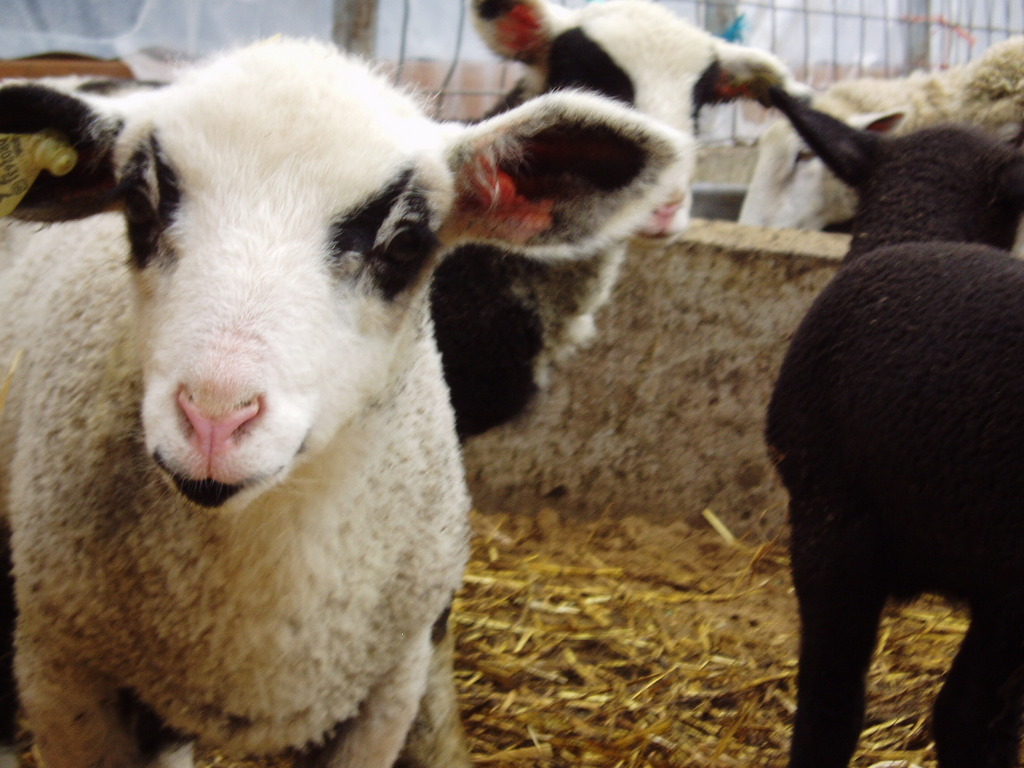
One of the farms I work for is currently dealing with an explosion of newborn lamb madness. It started a few weeks ago and is now entering epidemic status. There have been around 80 new lambs born and more are on their way, though we must be getting close to finished. Milling amongst the ruminant chaos, the level of cute and adorable becomes almost overwhelming. The lambs run and jump about, frolicking upon their straw, apparently enjoying their new found lives. They’re indoors for now, both to help keep them from becoming coyote snacks and to keep an eye on their health. However, they eventually will make their way out into the pasture and even more glorious days will follow.
I’m hoping to get a new post written late tonight or perhaps tomorrow. But tonight is a Grange meeting, tomorrow I have friends visiting, and the next few days are packed with plans, so I don’t know for sure if I’ll finish a post. In the meantime, enjoy these pictures of the lamb insanity.

Some of the coloring on the lambs is just ridiculously fantastic. This guy’s an example.

I love watching the lamb tails go mad as they nurse.
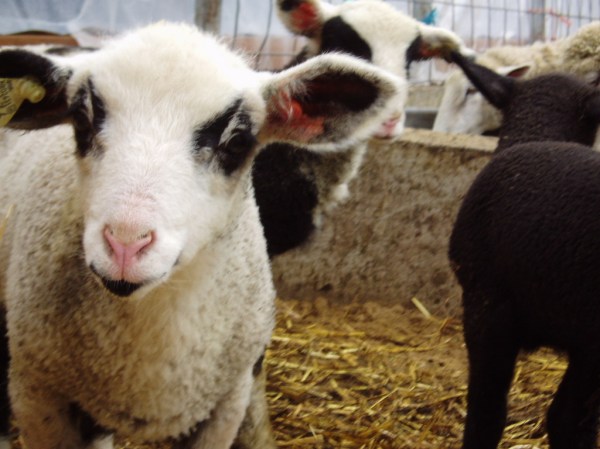
Most of the lambs are still quite skittish, but this spotted one didn’t mind getting up close to the camera.

I love this spotted lamb, here nursing with great abandon.
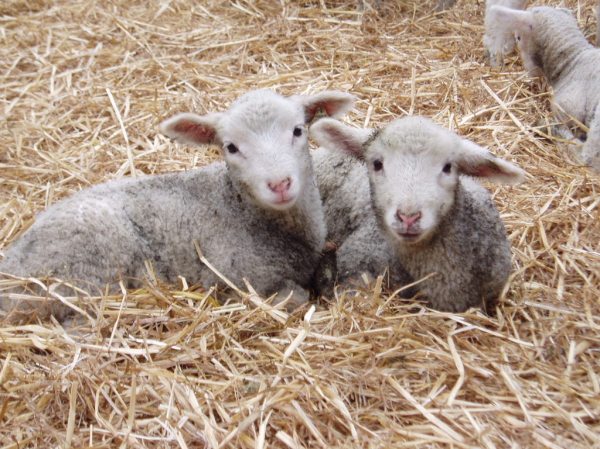
These siblings are just painfully cute and didn’t seem to mind being photographed. Perhaps just too sleepy to object.
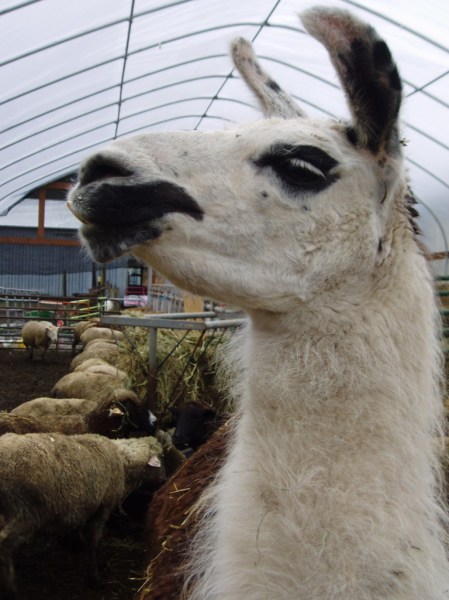
And finally, this is Icey, the llama. She’s apparently posing for her picture. She helps watch over the little ones.
See more Photos posts.






 Of The Hands